
CRAFTING DESIGN TO SHOWCASE A BRAND IN THREE DIMENSIONS
My primary mission in my vocation is environmental design. Leading design with a tight creative team to output forward-thinking projects that can touch the consumer at the retail and experiential level. Showcased within this section are primary projects I and my in-house team brought to the world.
Most of the work featured here is from the team. Where an agency was used, I have so noted for credit purposes. My lead, drive, and push to always to make the design work better for the brand, is always present , even when agencies are utilized.
The selection shown here is only a small sampling of my and the team’s work. It does, however, showcase a diverse selection of styles, purposes, and scale of projects that with my design and direction were brought to fruition.
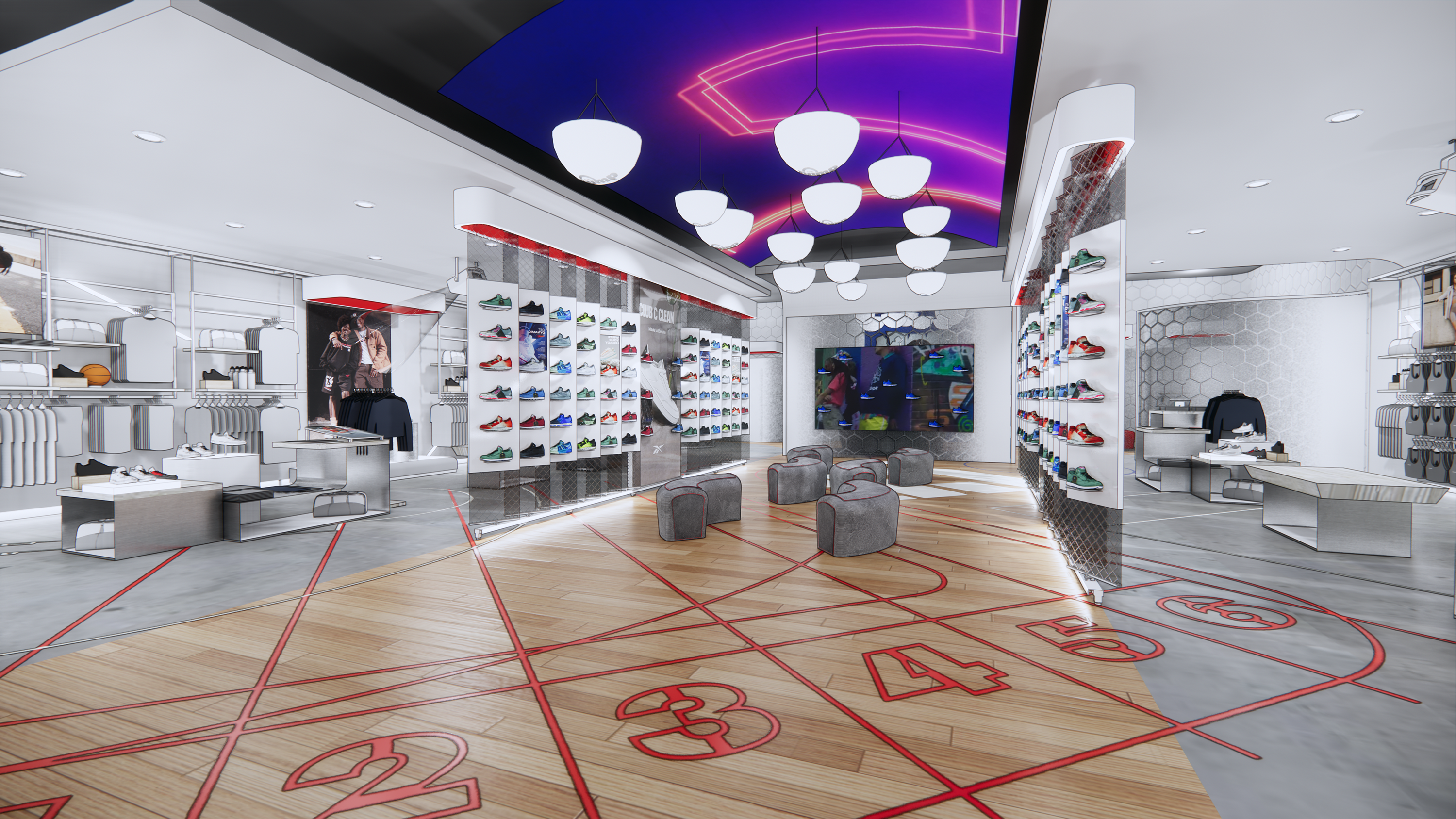
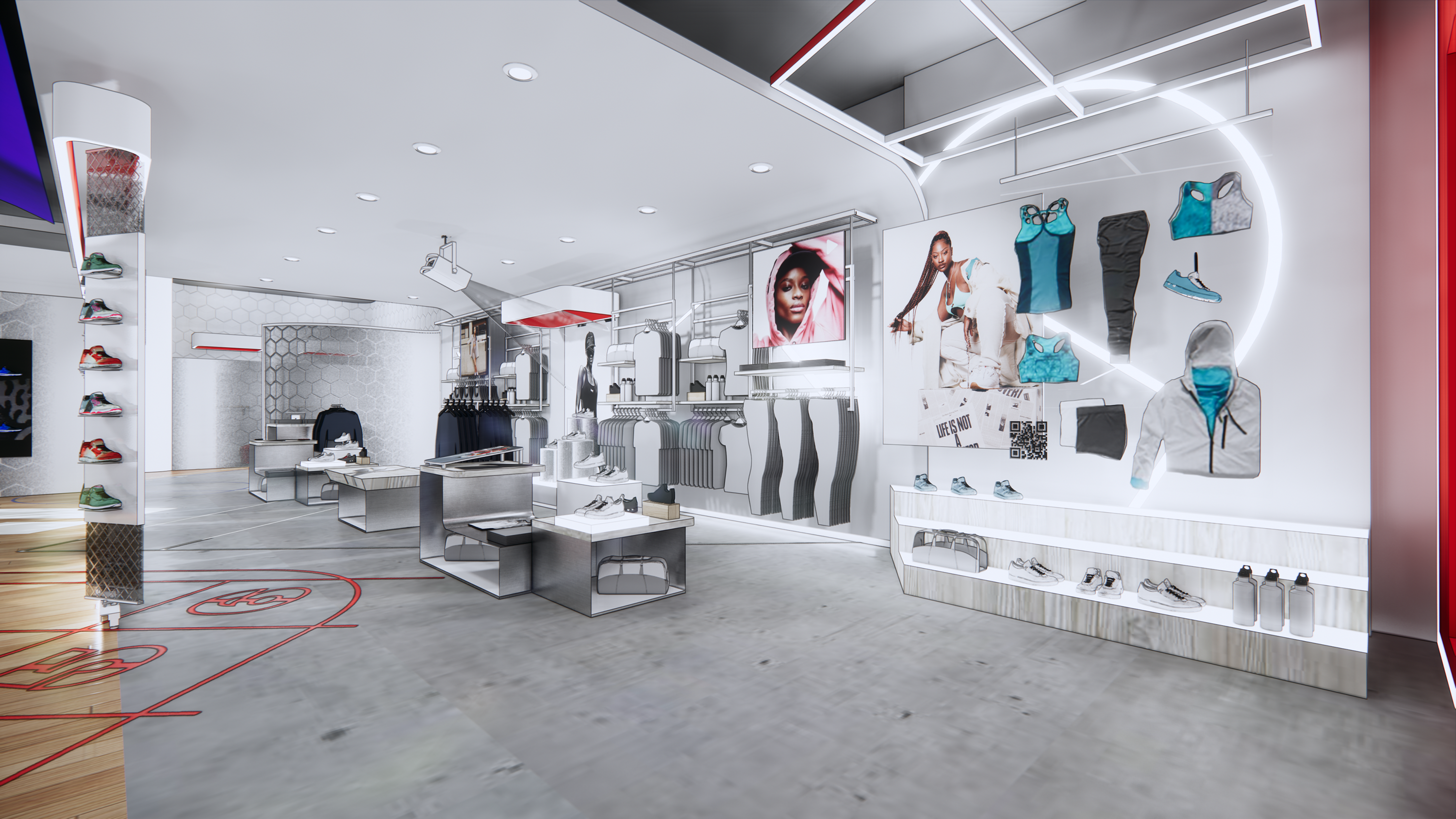
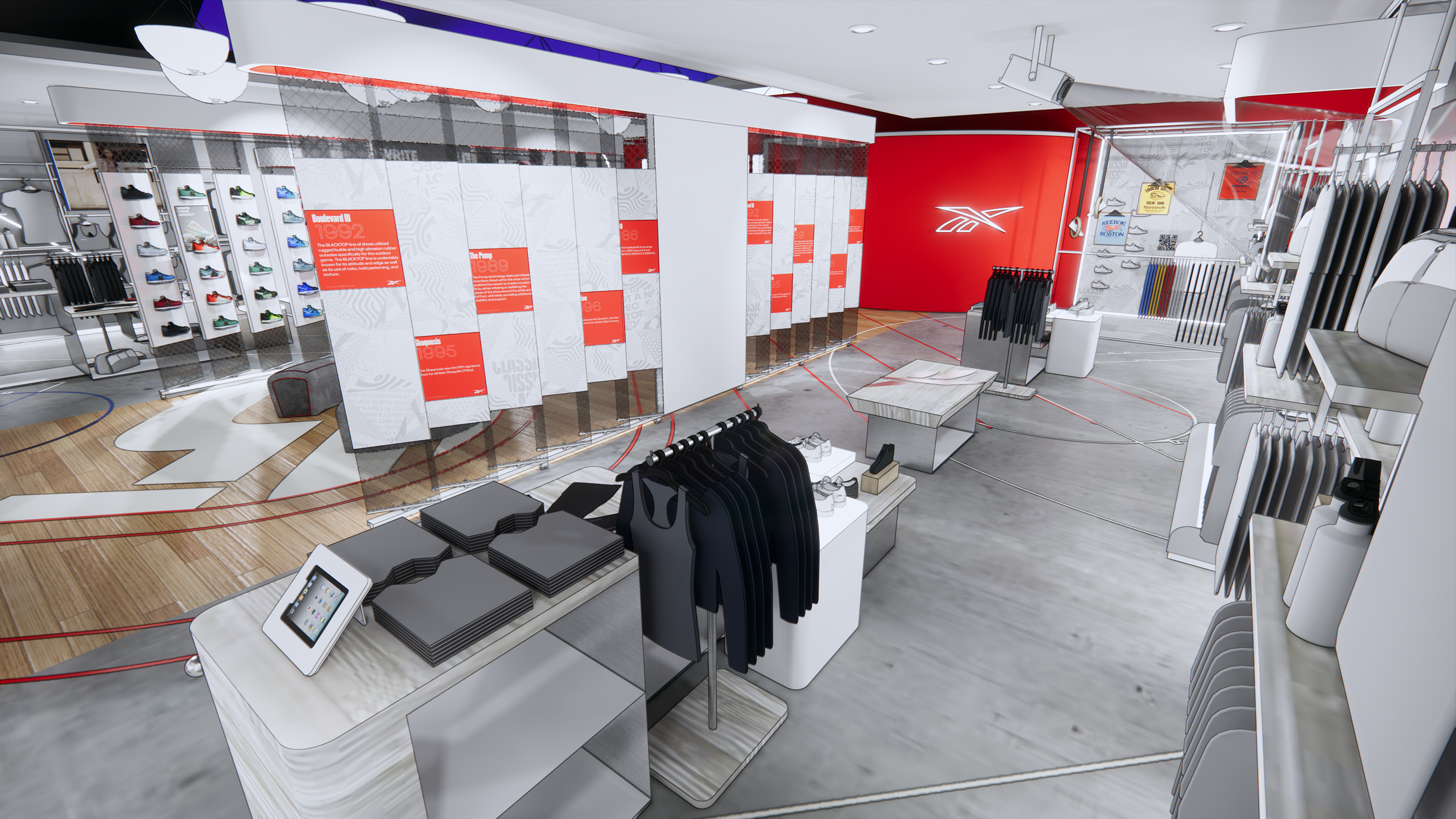
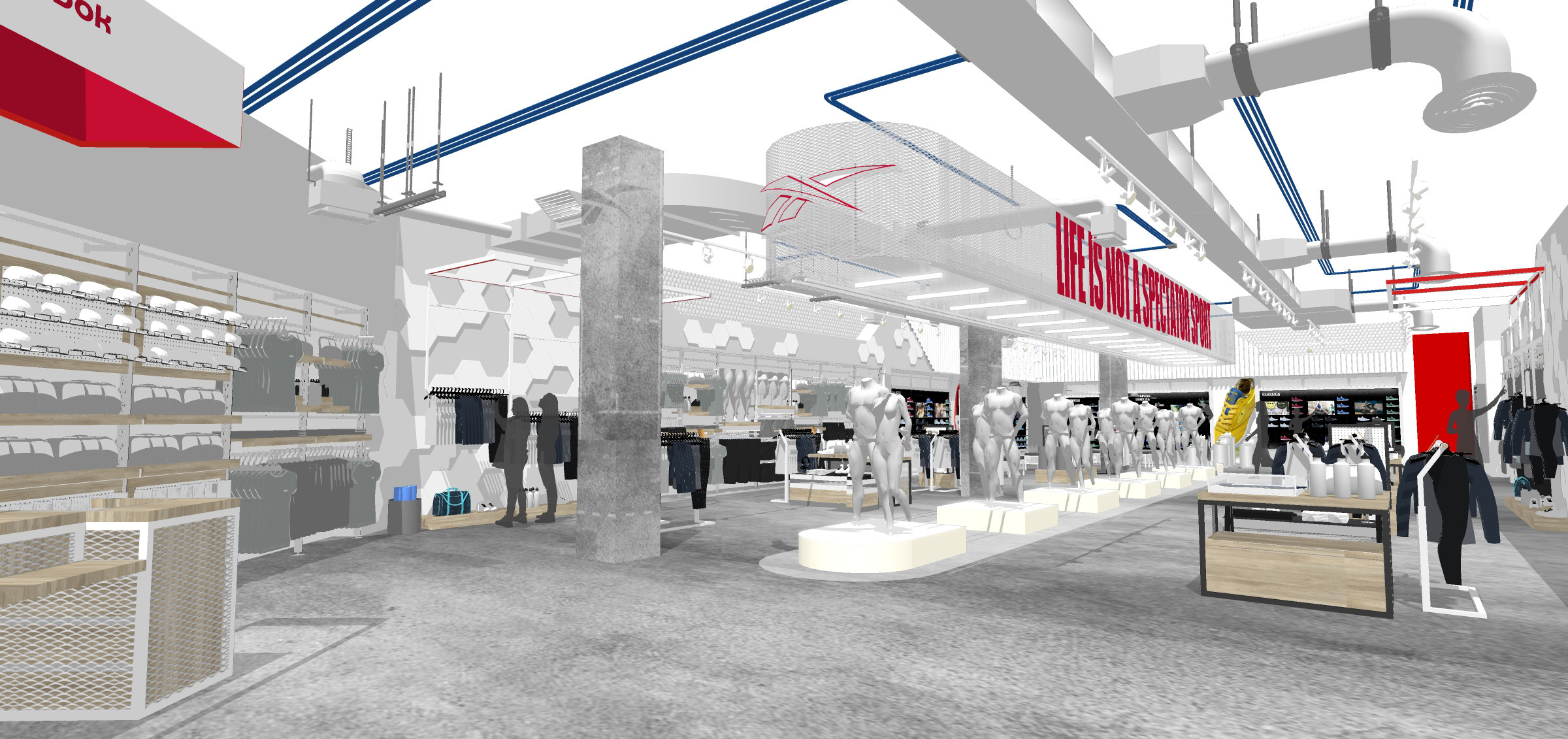
Movement: Conceptual Design. In-house, 2022. Flagship and Concept Store takedown versions were developed for a global market to represent a sports /lifestyle perspective. A footwear led design where movement and storytelling were key factors in showcasing a curated approach to the Brand’s key product.


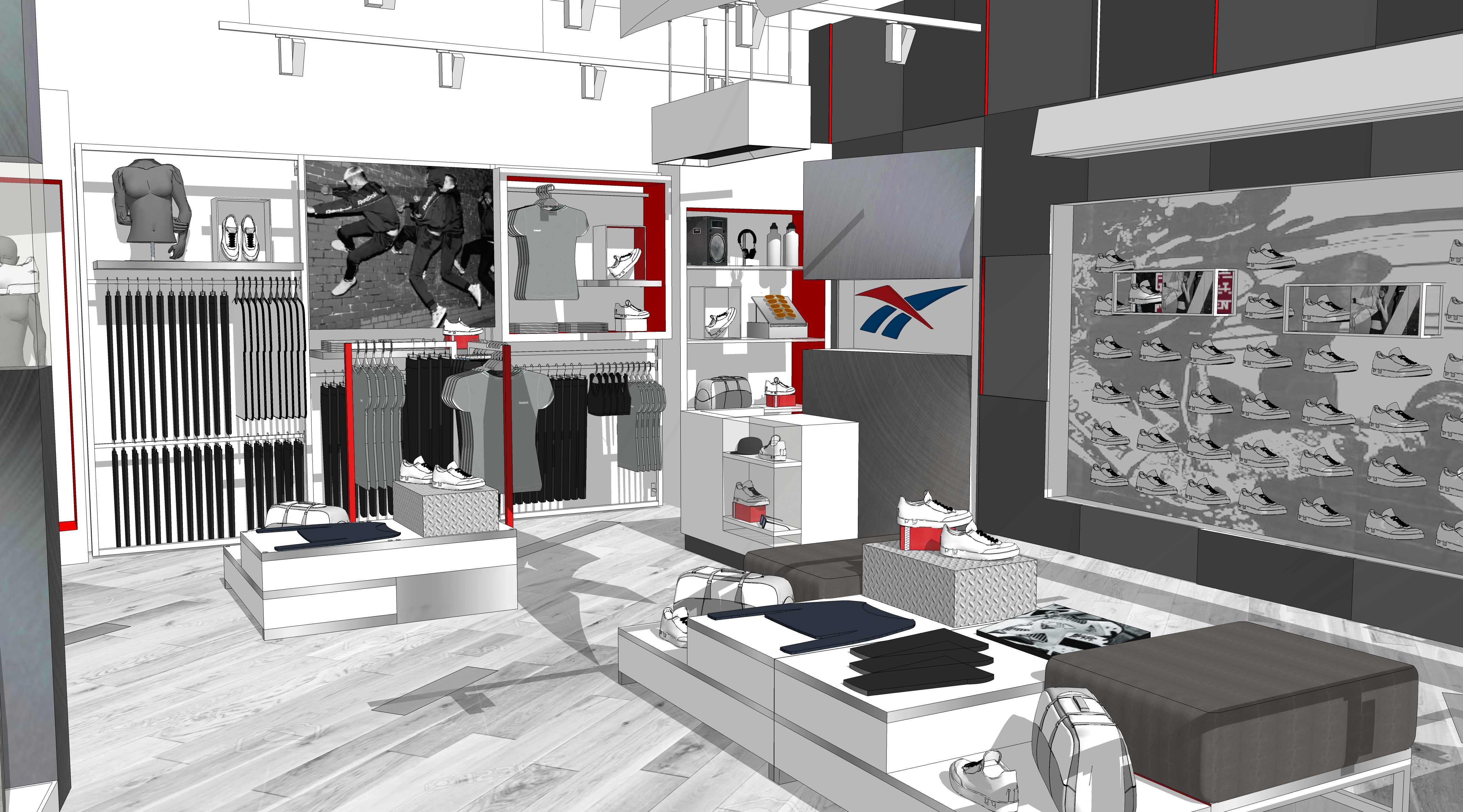
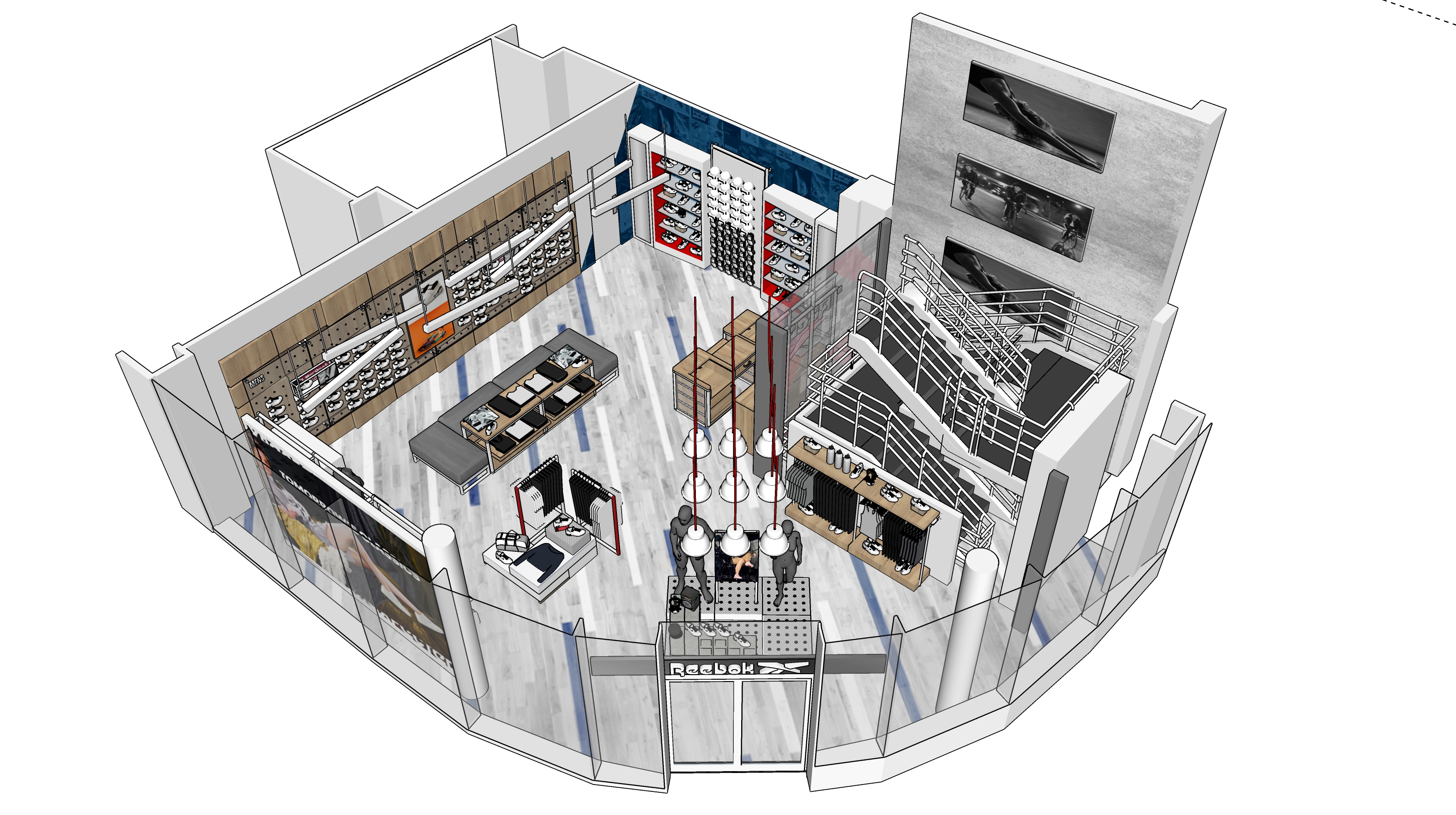
Vector Facet: Early Conceptual Design. In-house team, 2019. Design crafted to showcase a lifestyle perspective for a singular global market. This design eventually evolved in a later version launched in select Asian markets.
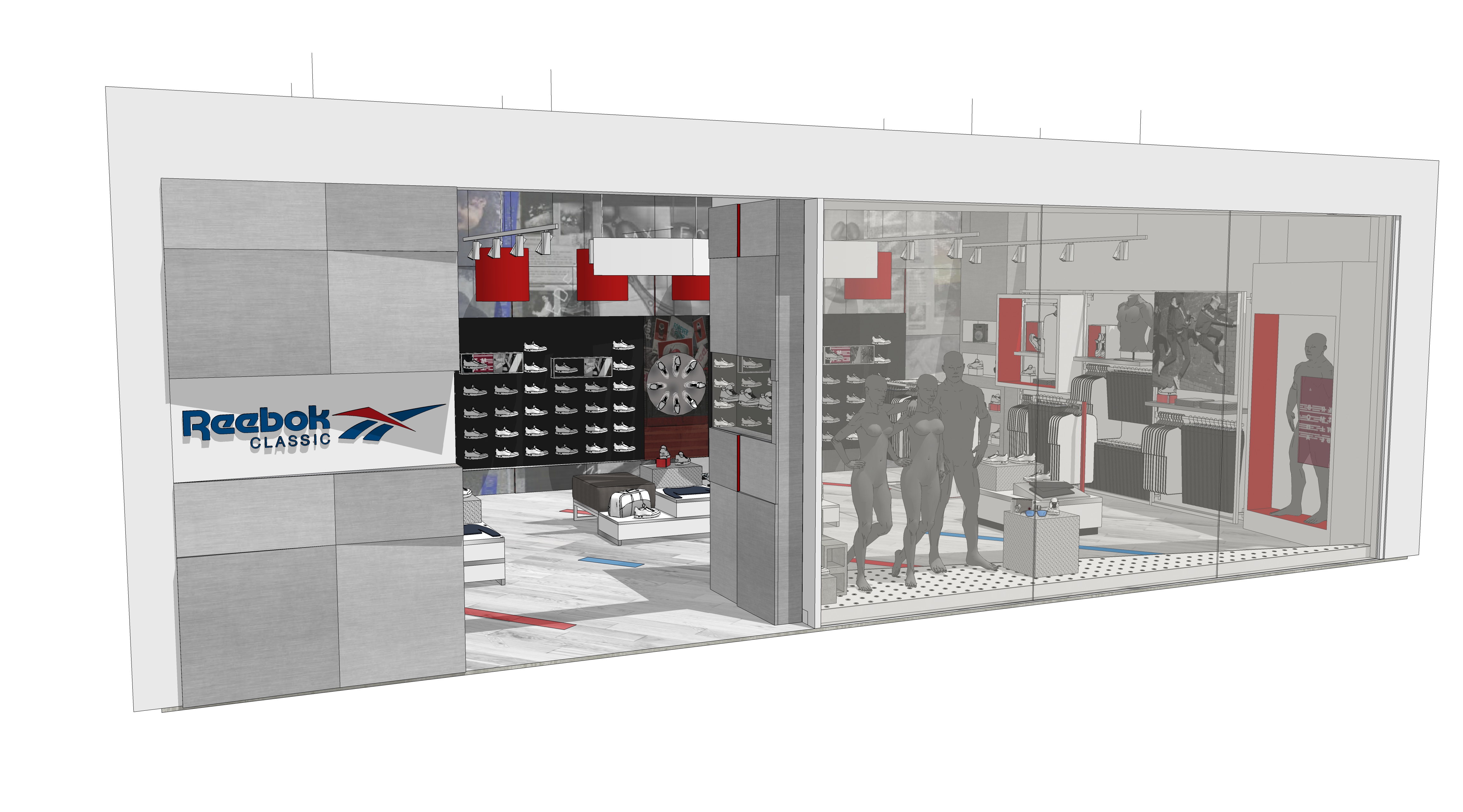
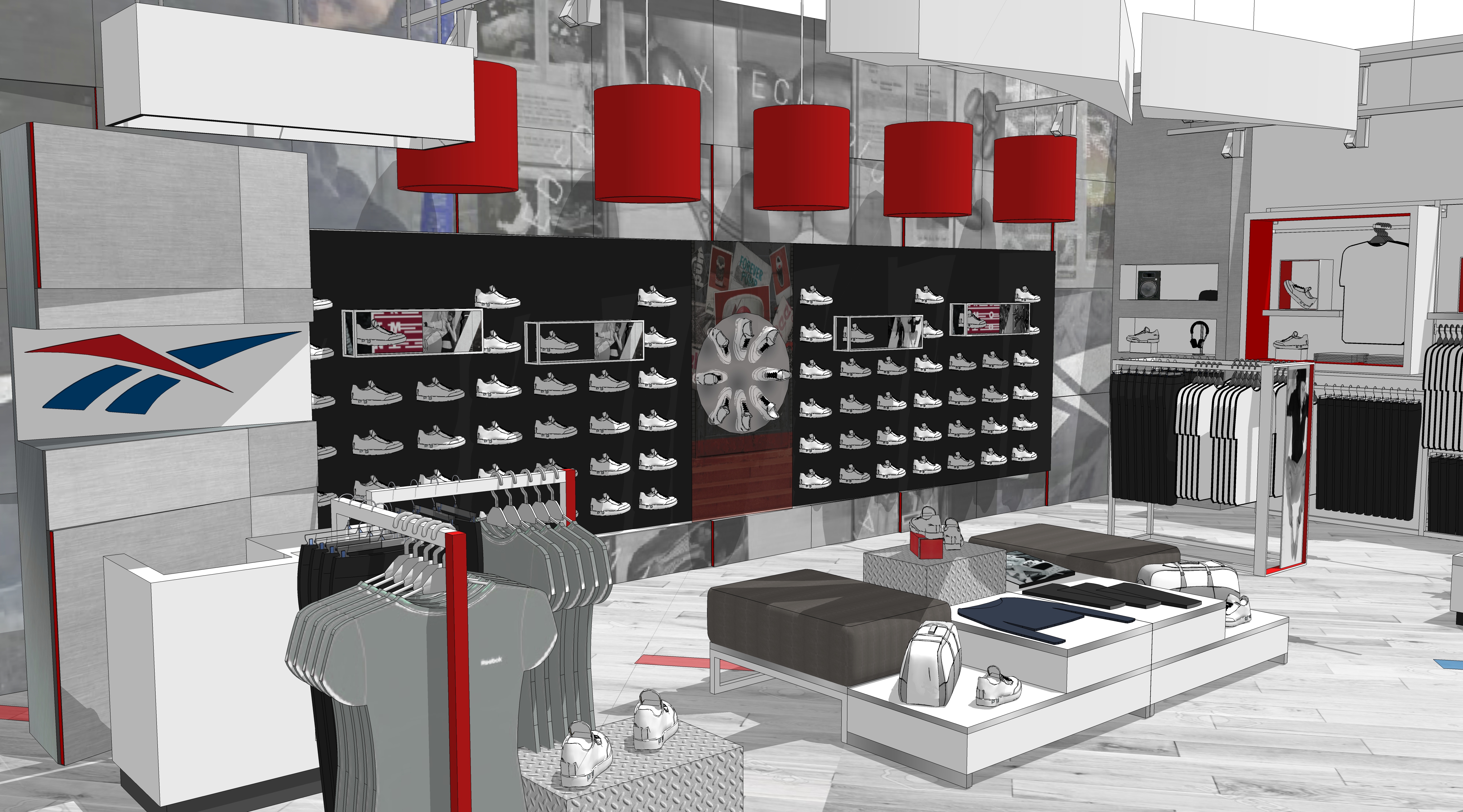
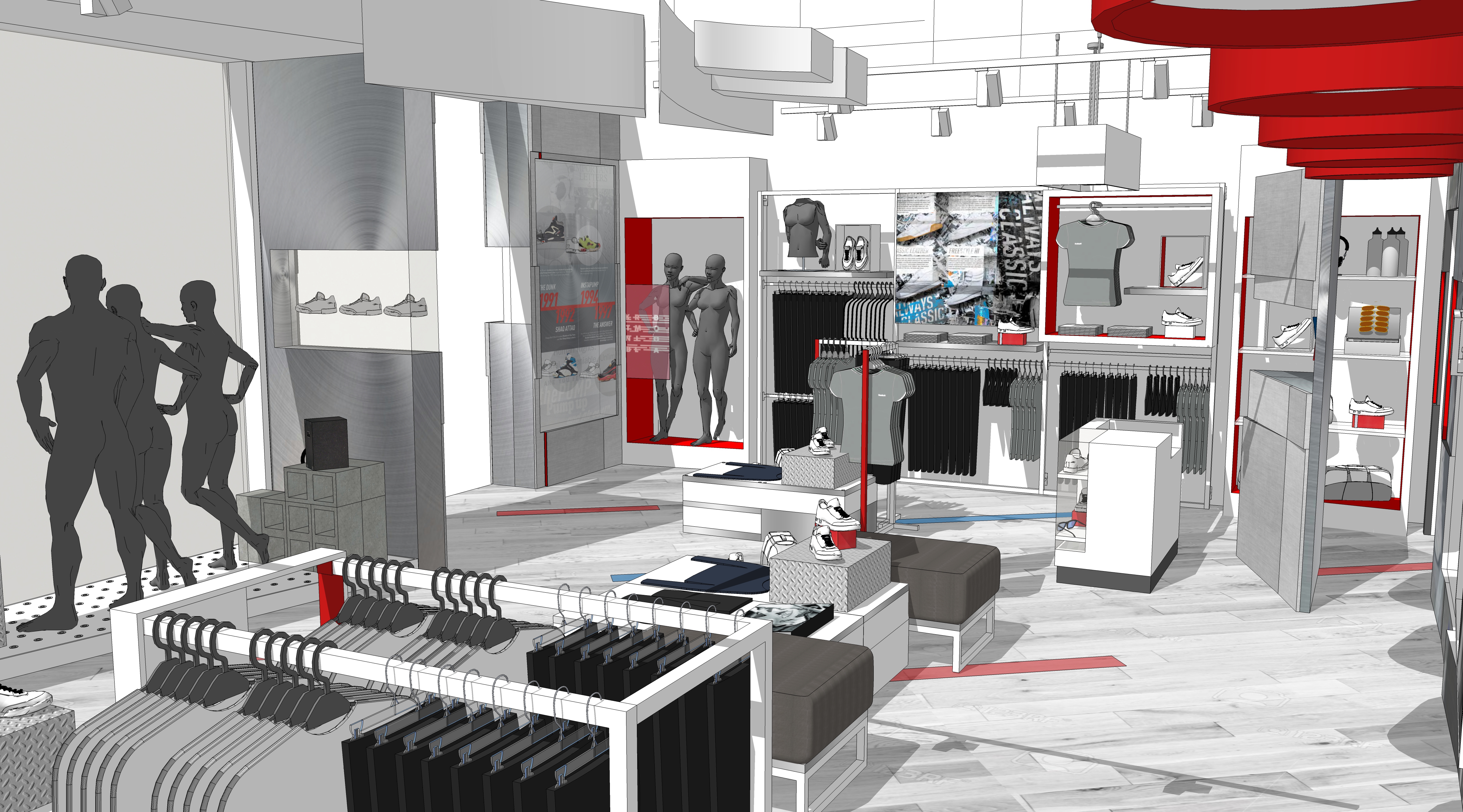
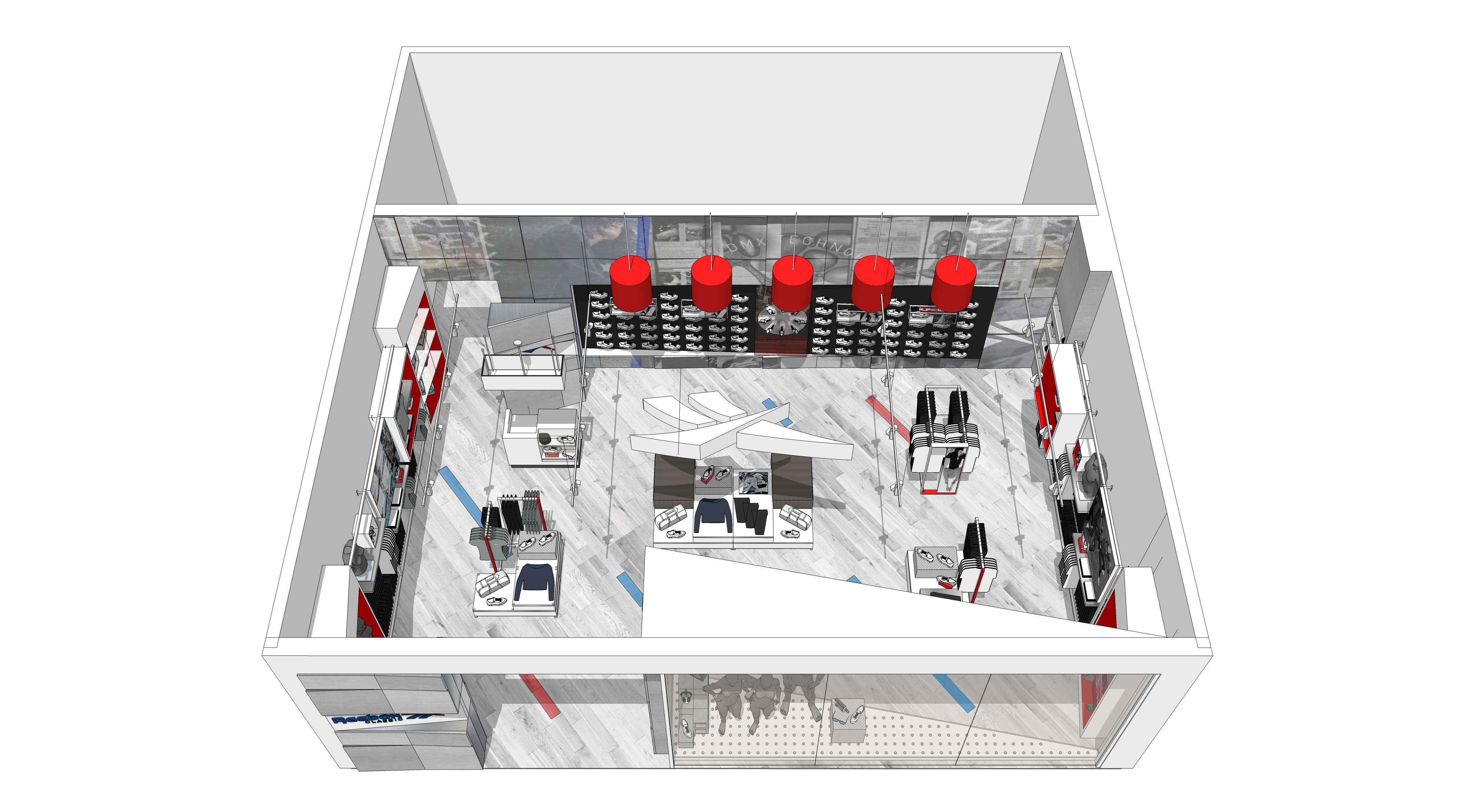
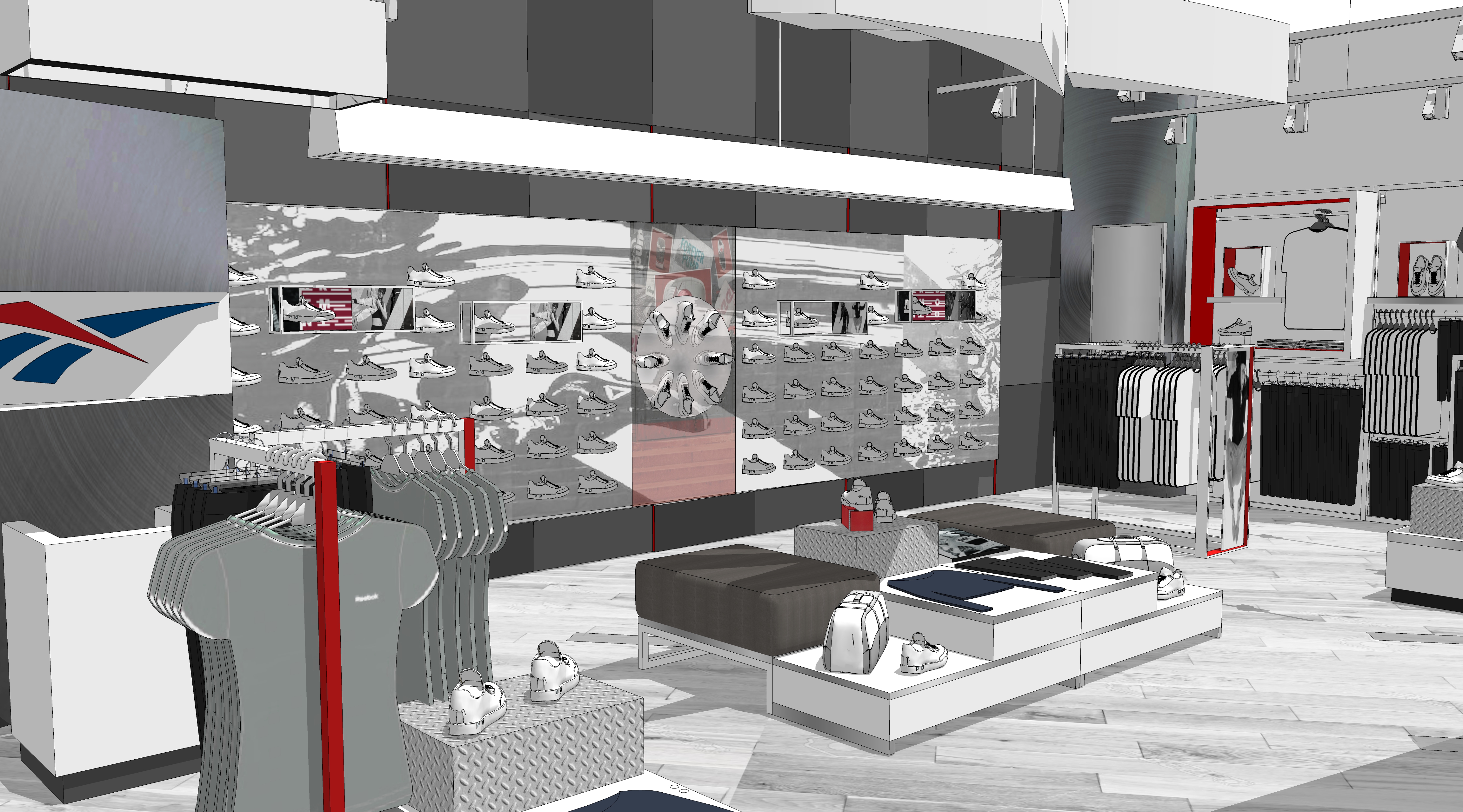
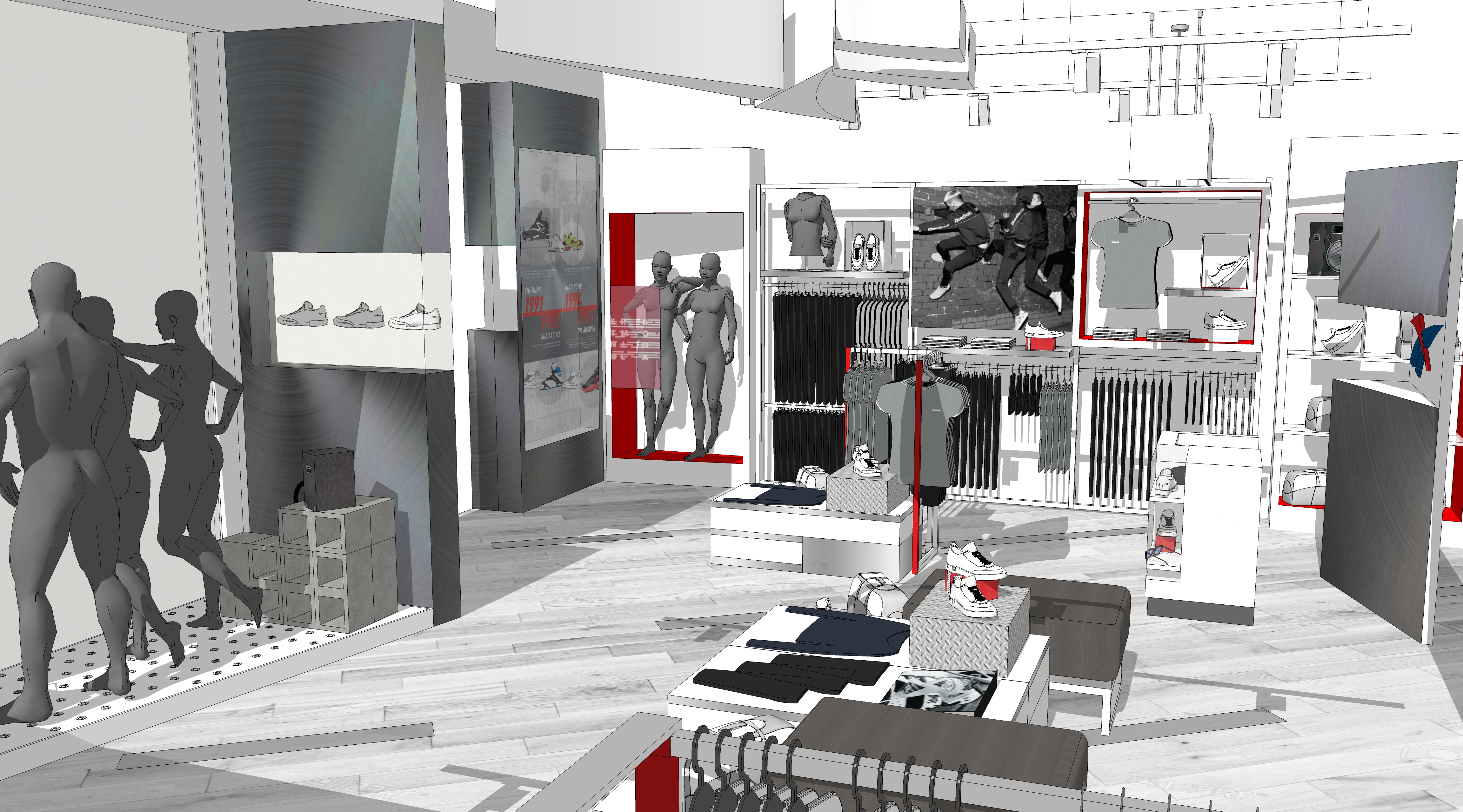
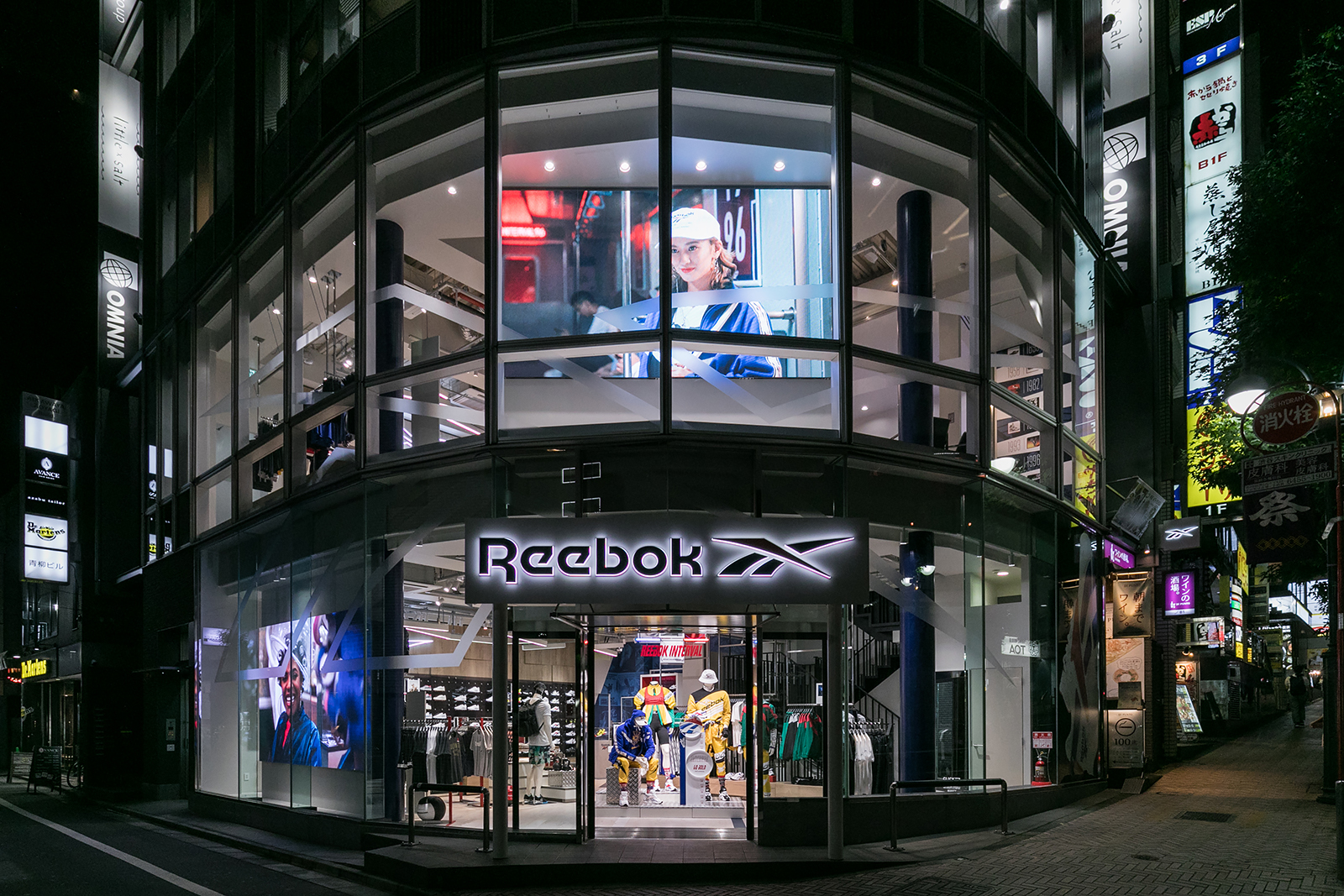
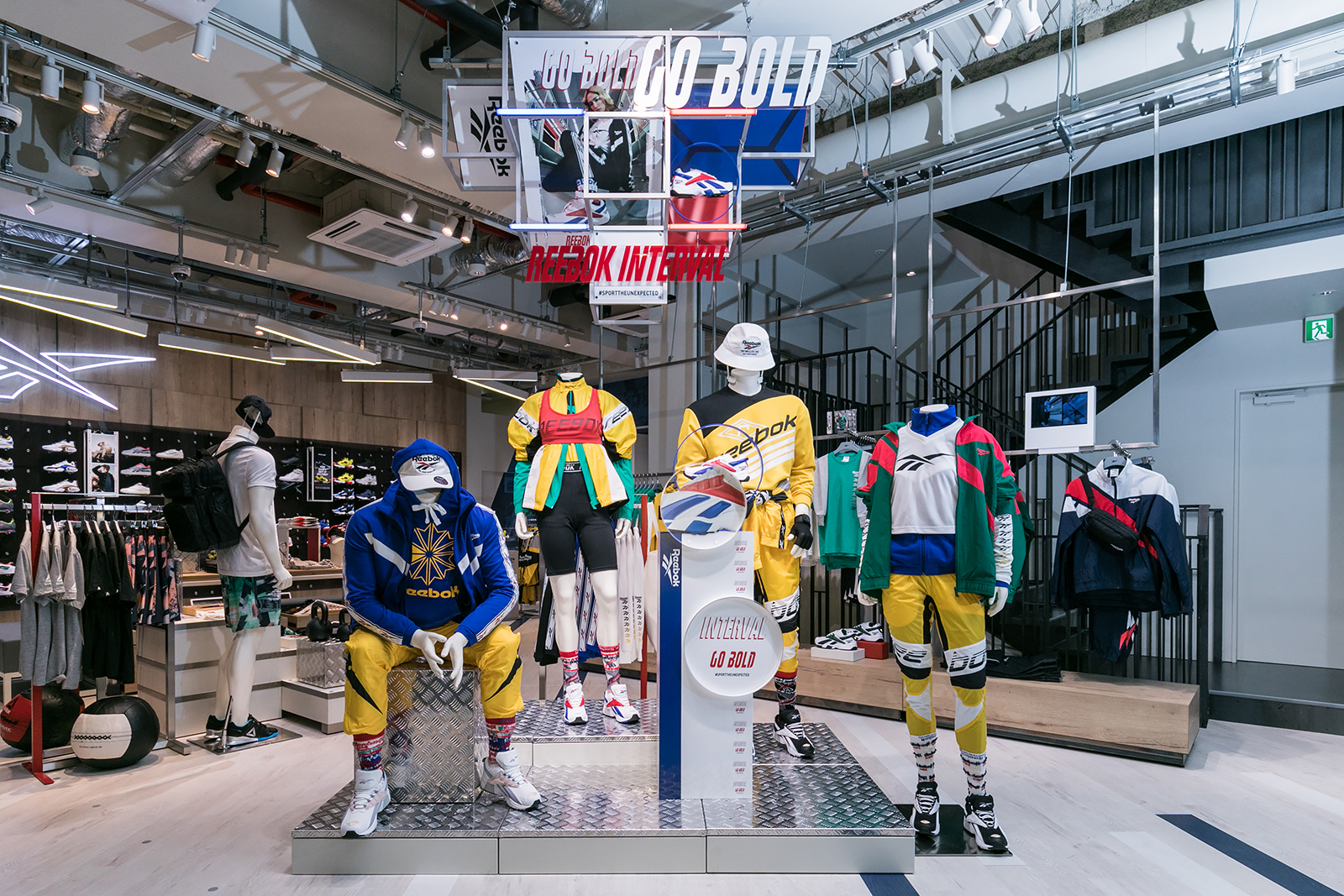
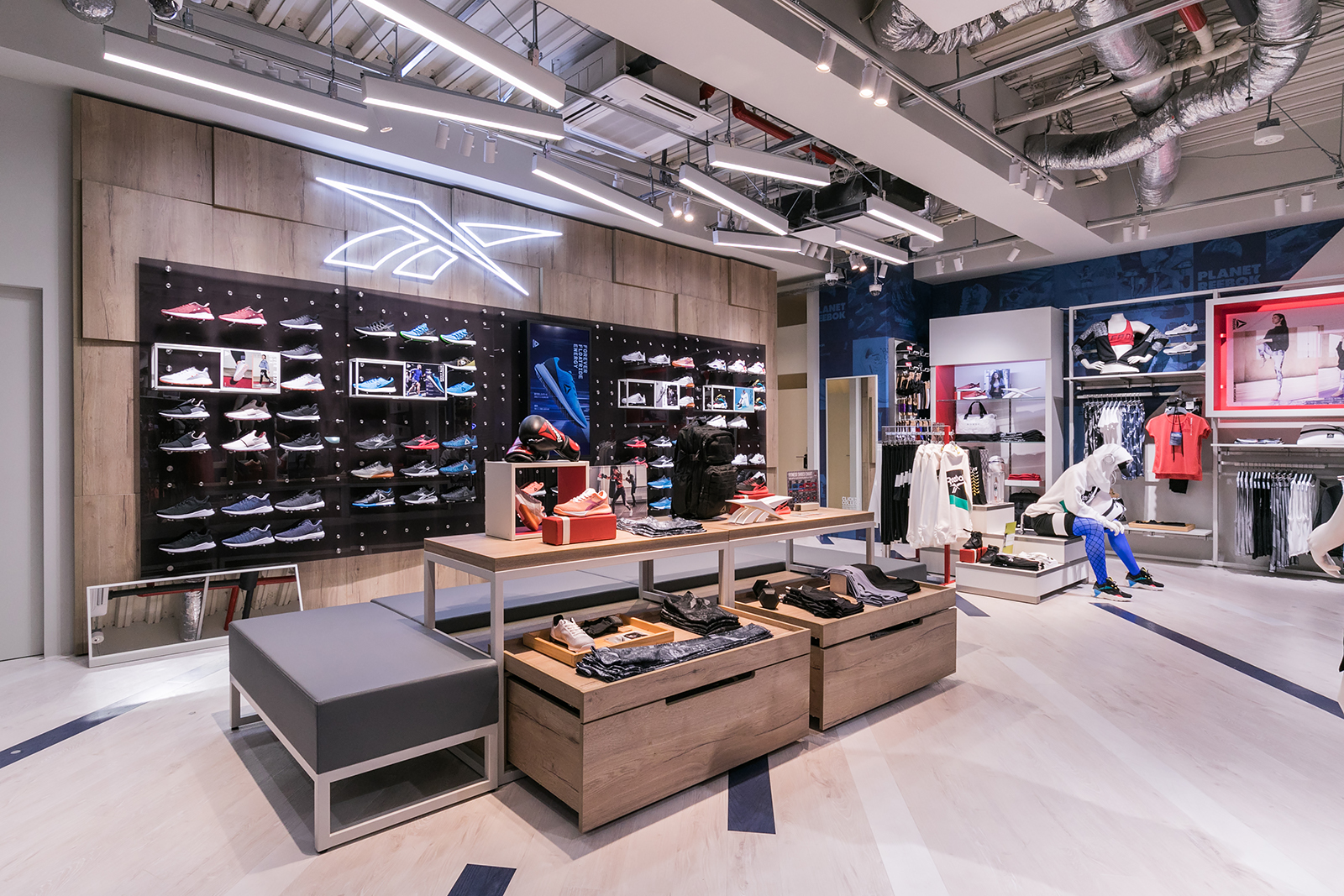
Vector Style Flagship: Shibuya Japan. Conceptual design. In-house team, 2020. This landed design provided a flagship approach for lifestyle product. Two floors in the exclusive Shibuya shopping district gave the consumer the full breadth of lifestyle product couched in a cool, but technical point of view. Digital storytelling elements mix with colors and textures that compliment the product.
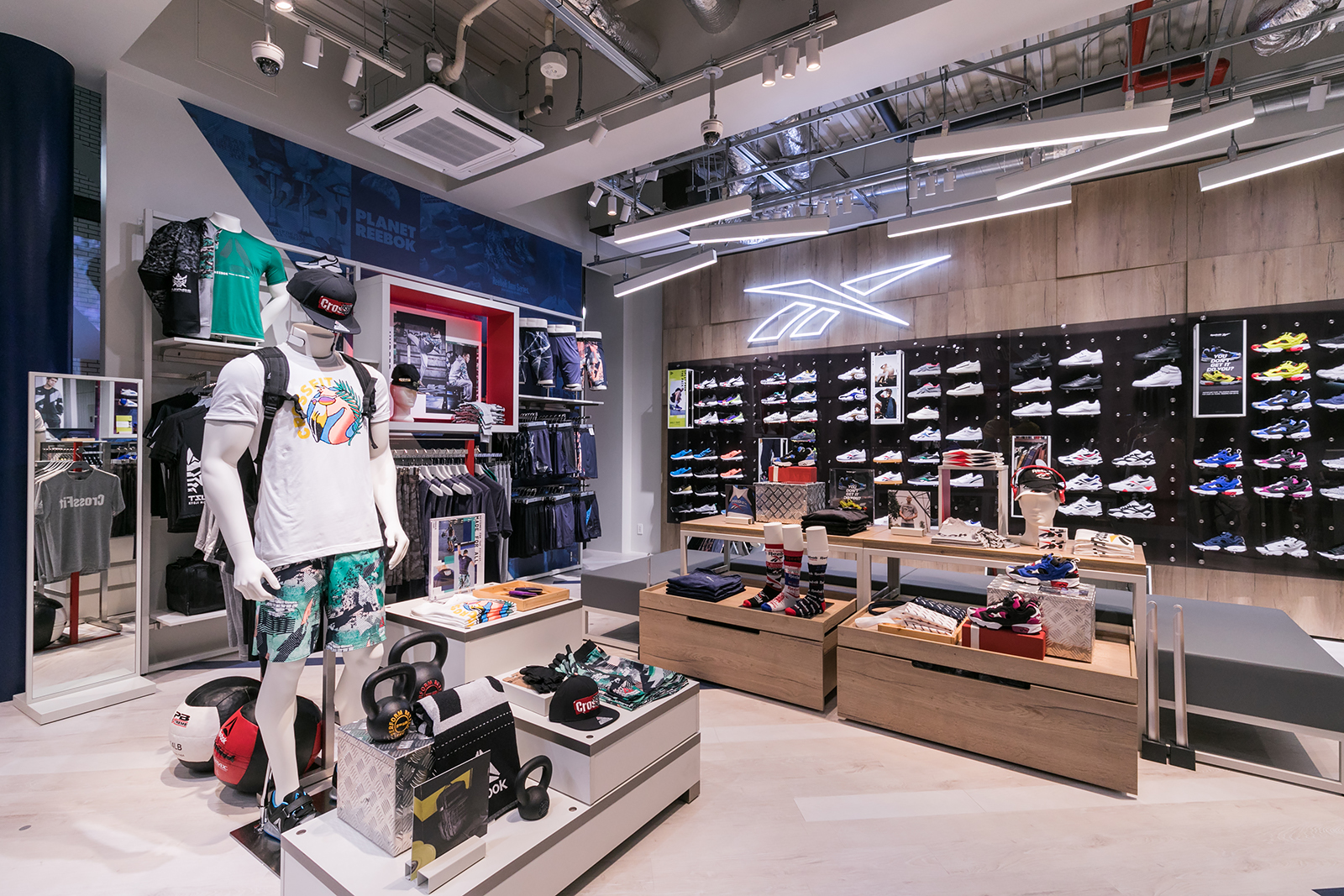
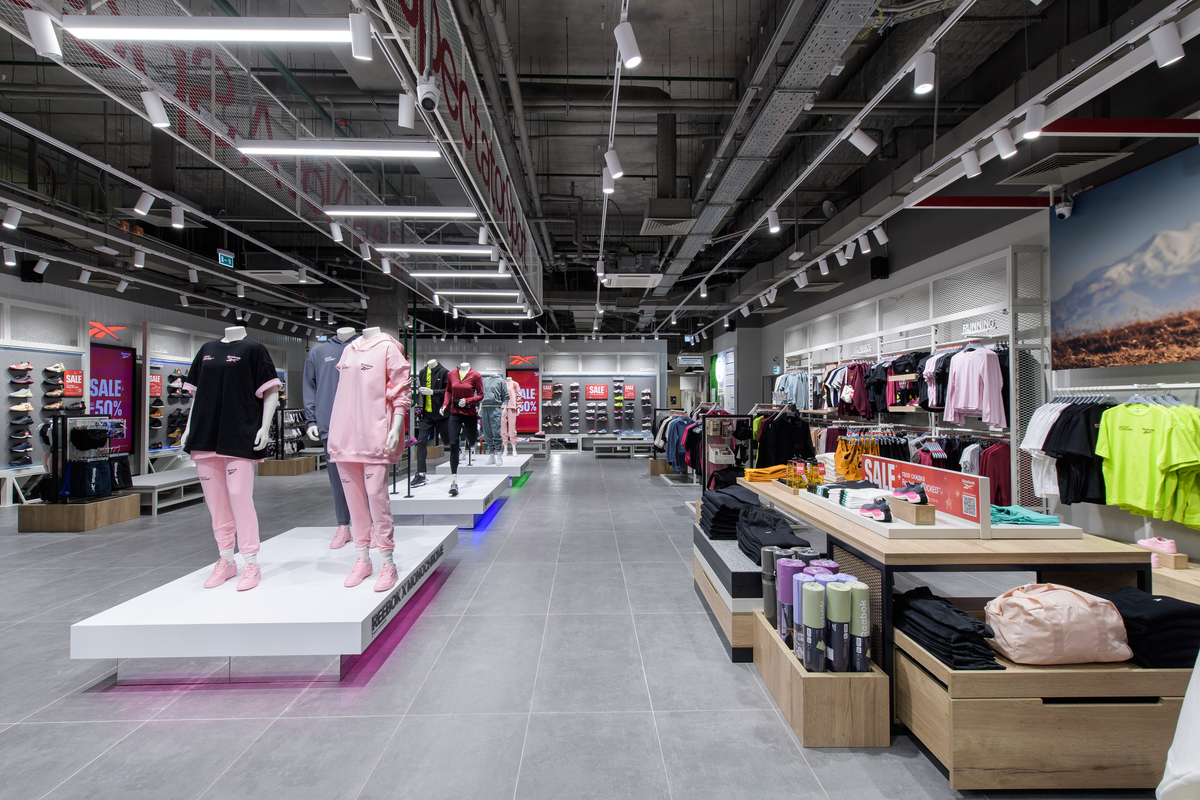
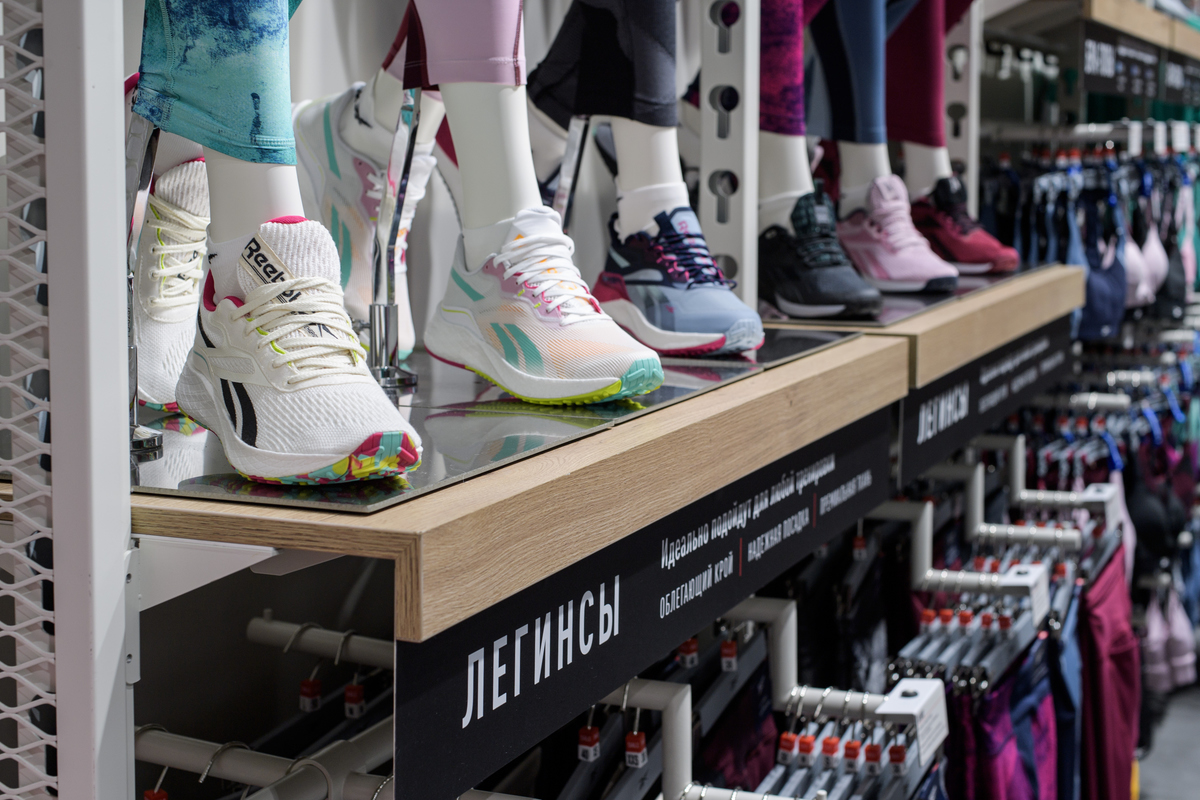
FitHub 3.0: Paveletskaya Moscow. Augmented conceptual design. In-house team, 2021. Based on original FitHub design by Ziba. The last iteration of the FitHub concept which from the design’s inception in 2012 to its current iteration, was and is the most widely used retail design for the Reebok Brand. Thousands of retail touchpoints were established globally from 500 square meter showcases to shop in shops at 10 square meters.
The versatile and malleable design, never remained static it was always in a state of evolution, while using a base kit of parts in its substructure the overlays, colors, graphic treatments, and architectural elements could always be changed to reflect focused options in merchandising or broad concept store treatments.

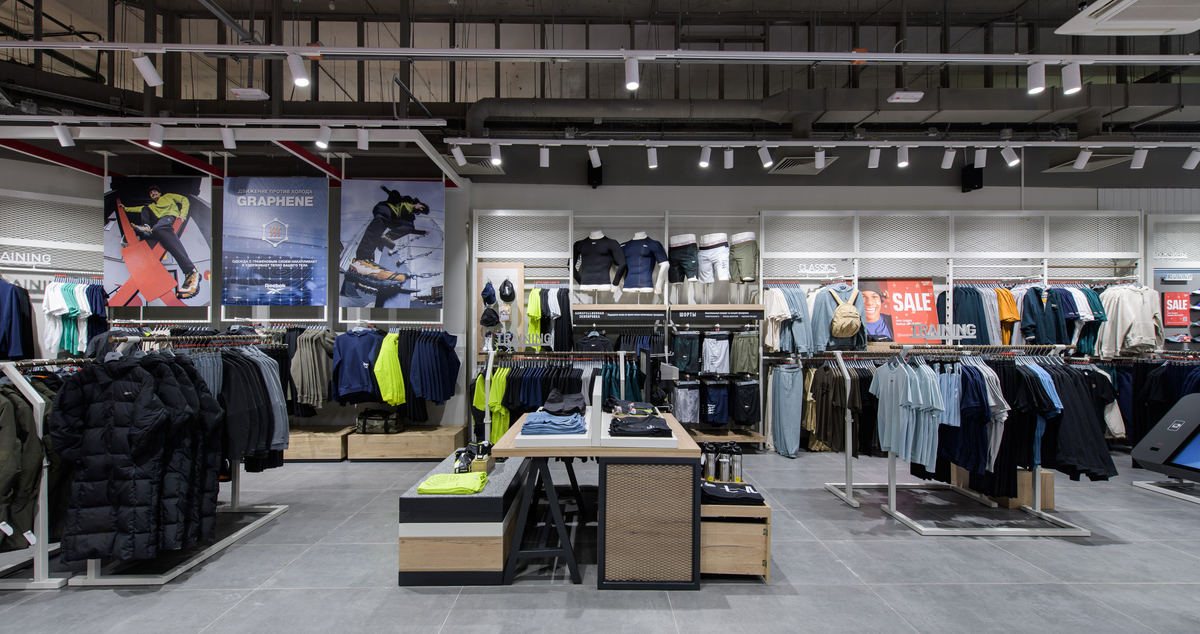
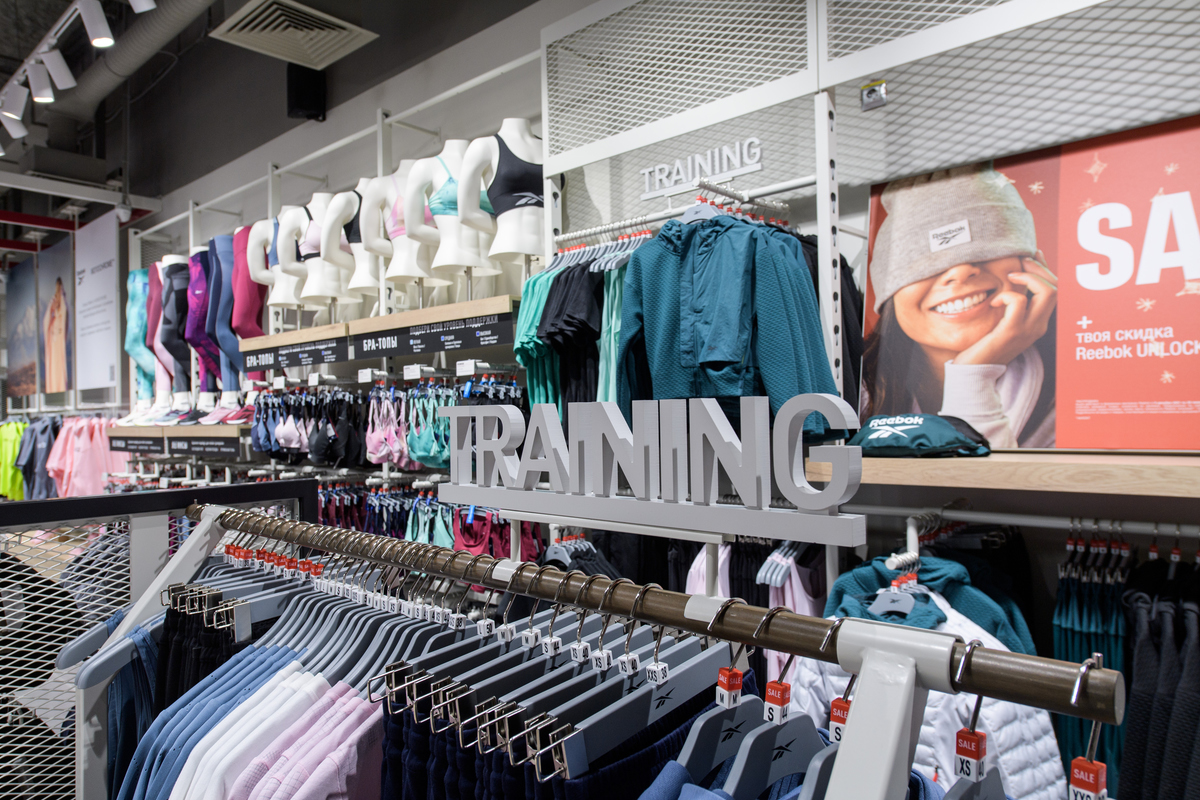
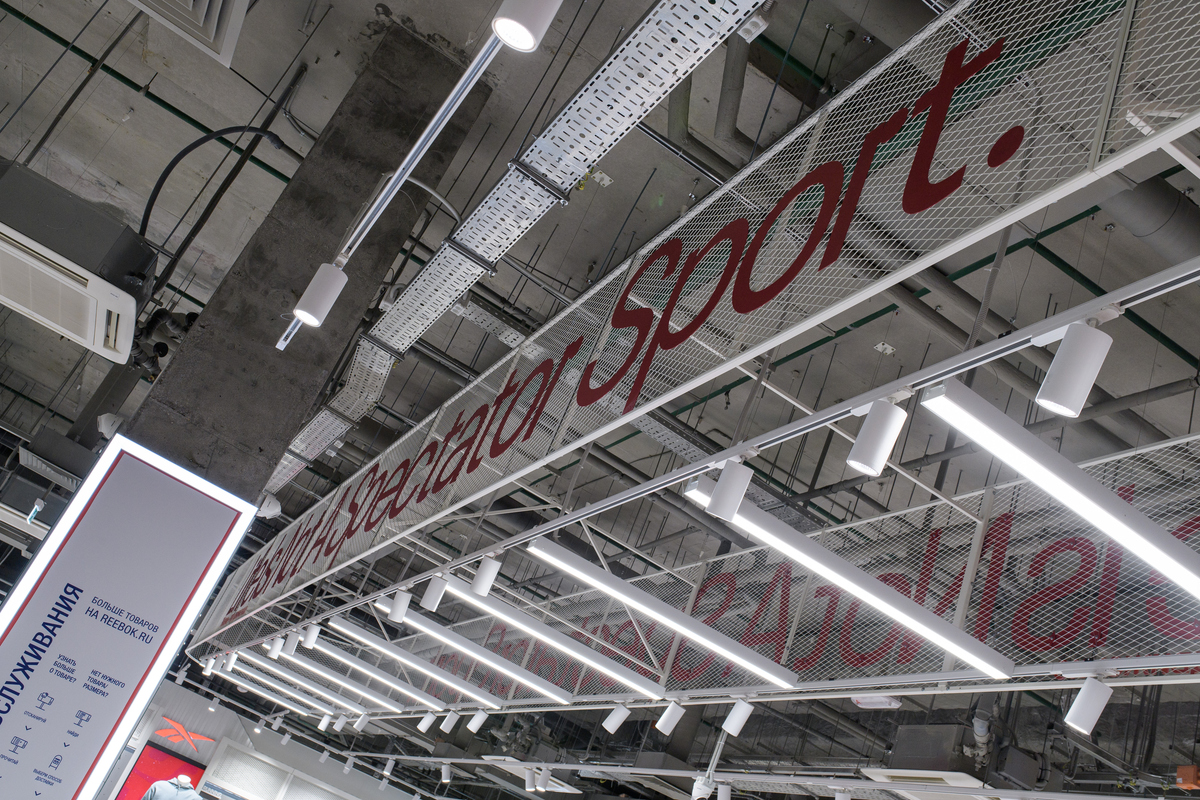
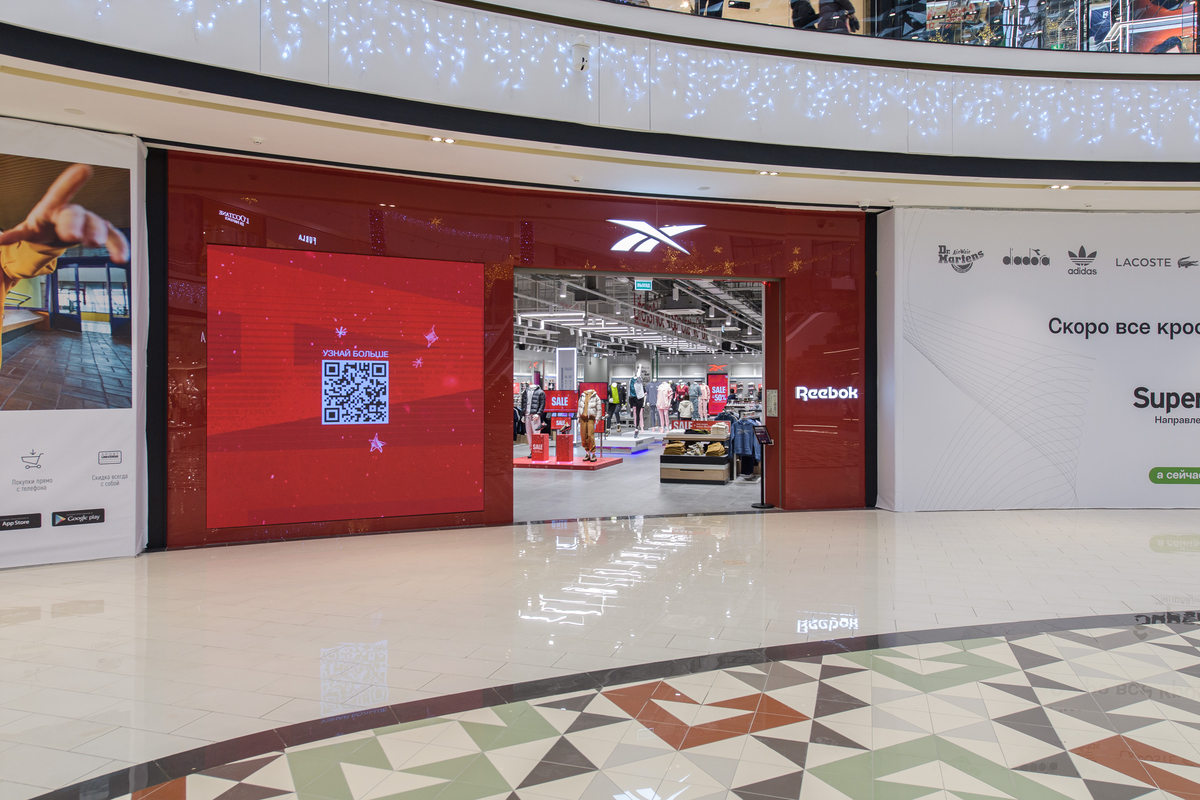


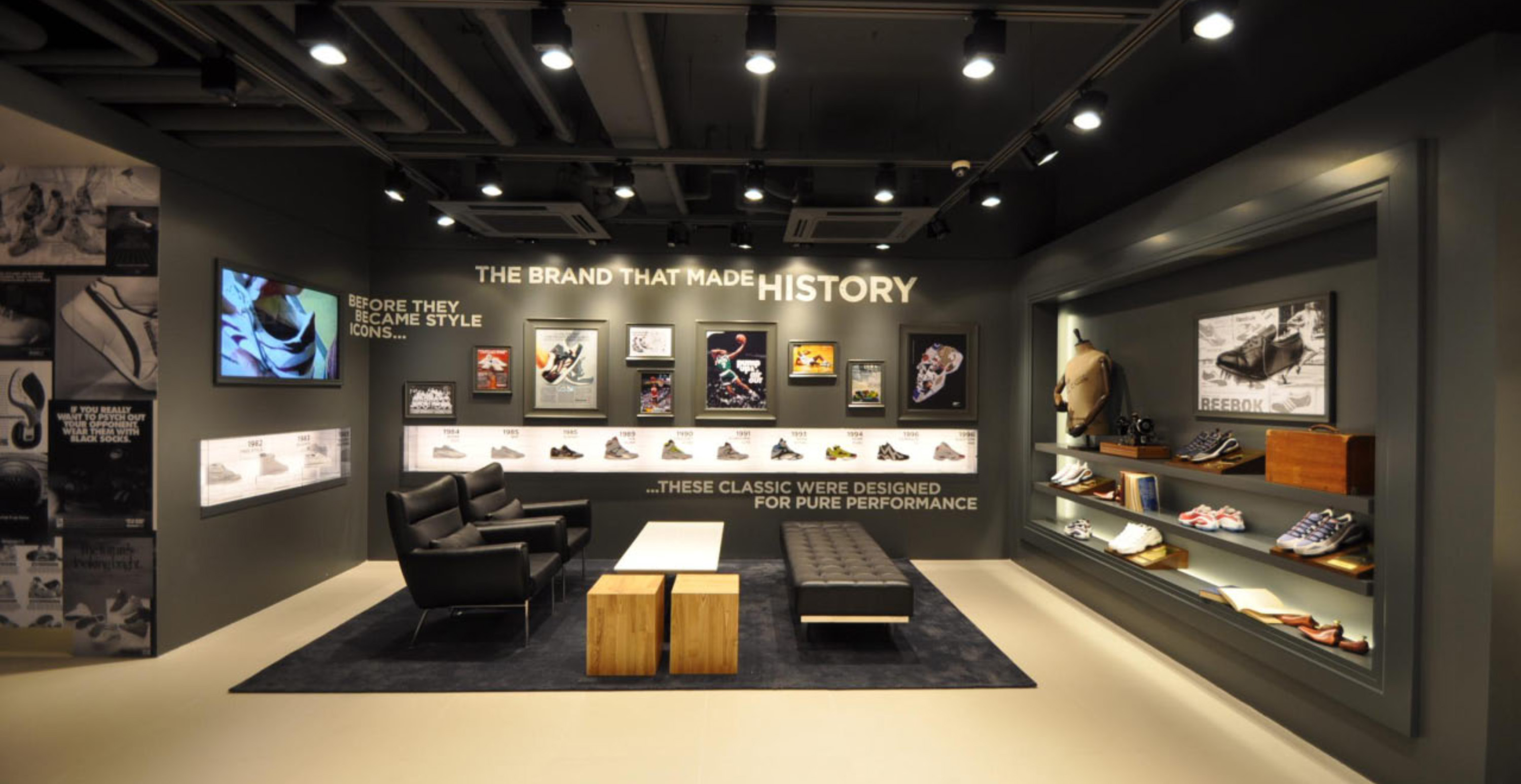
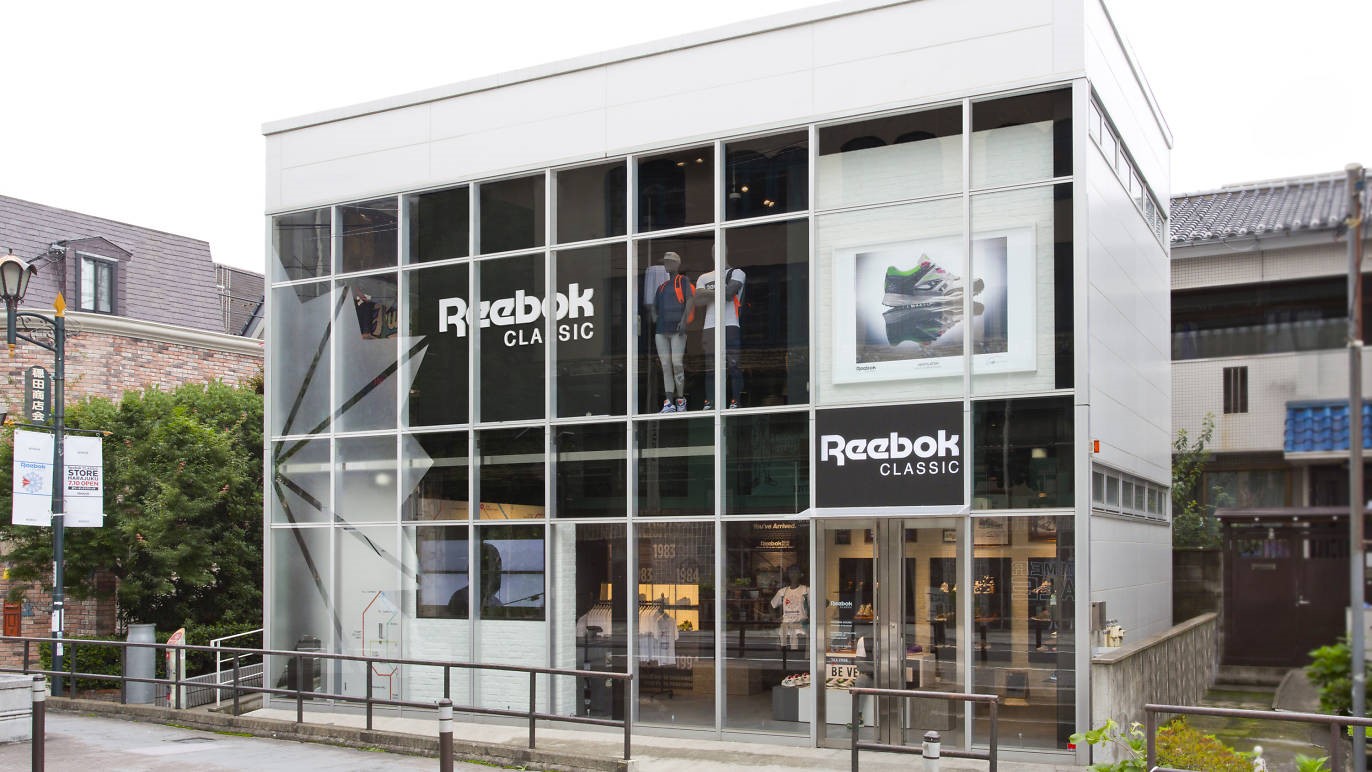
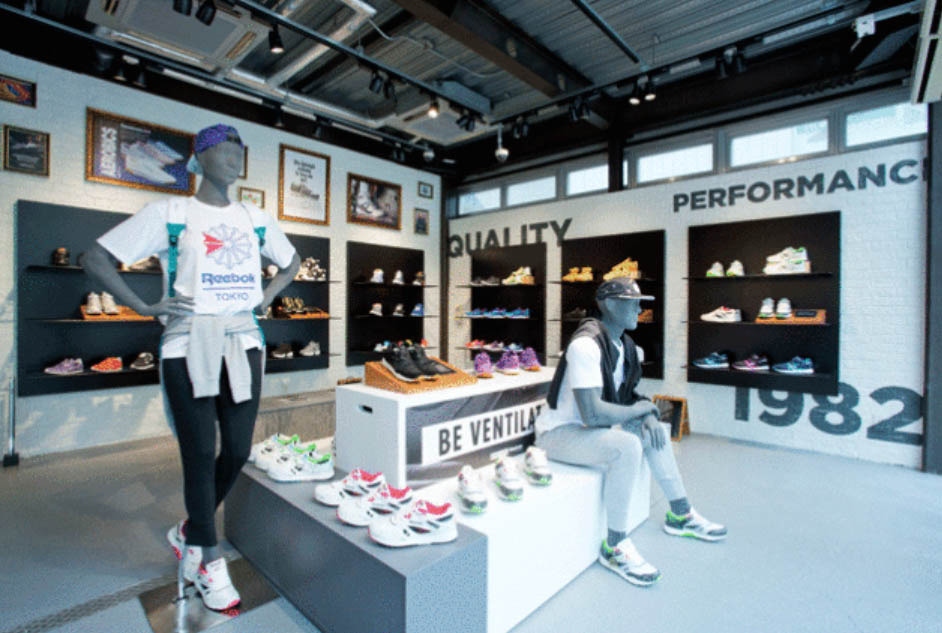
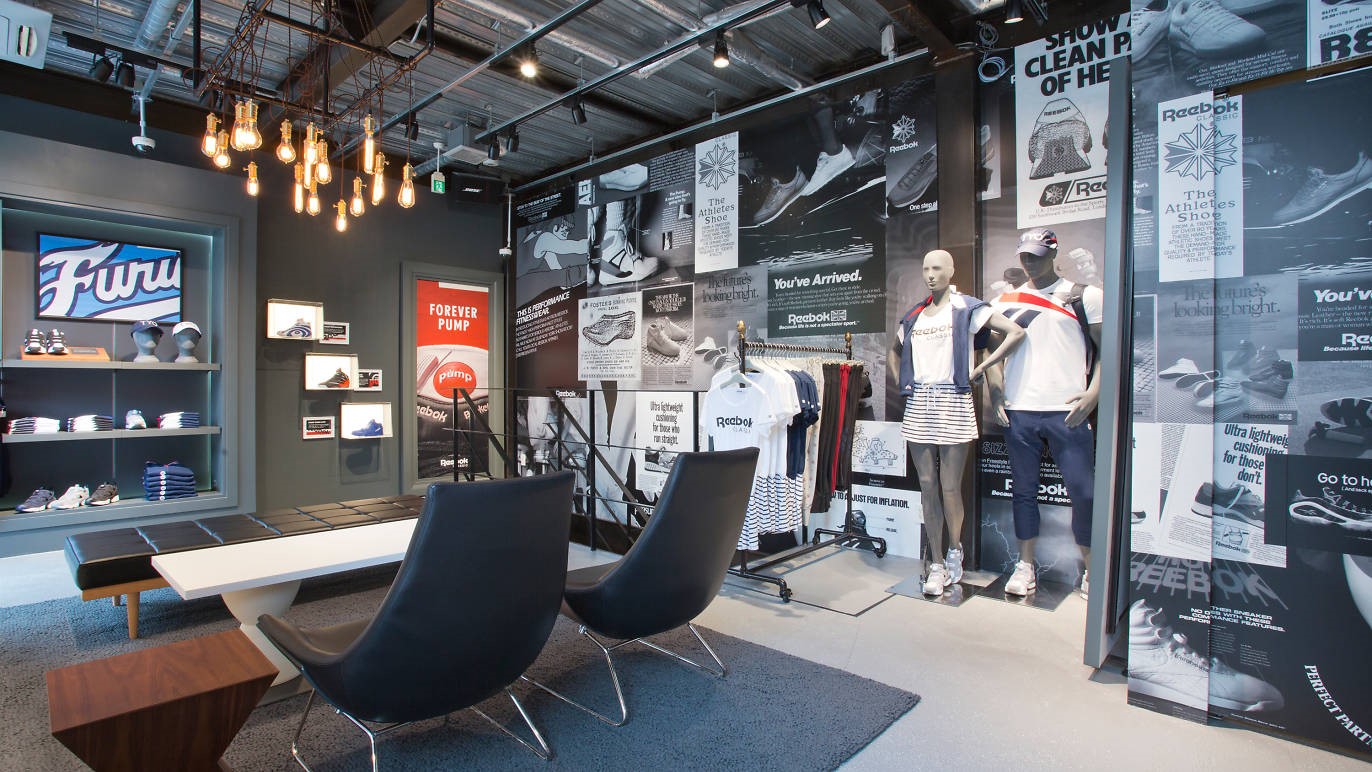
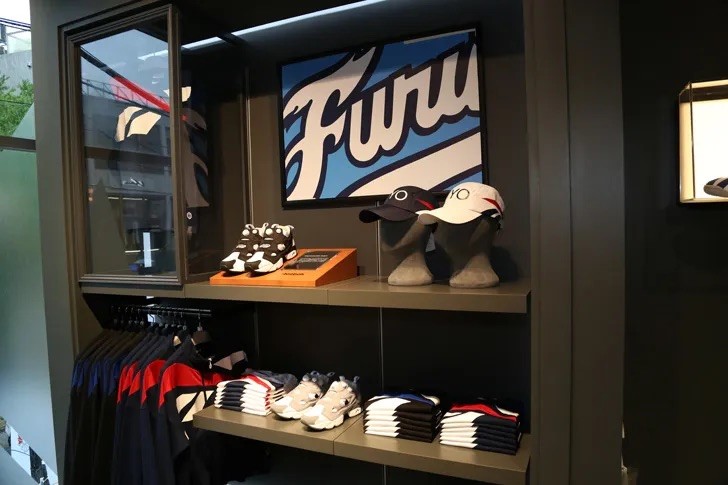
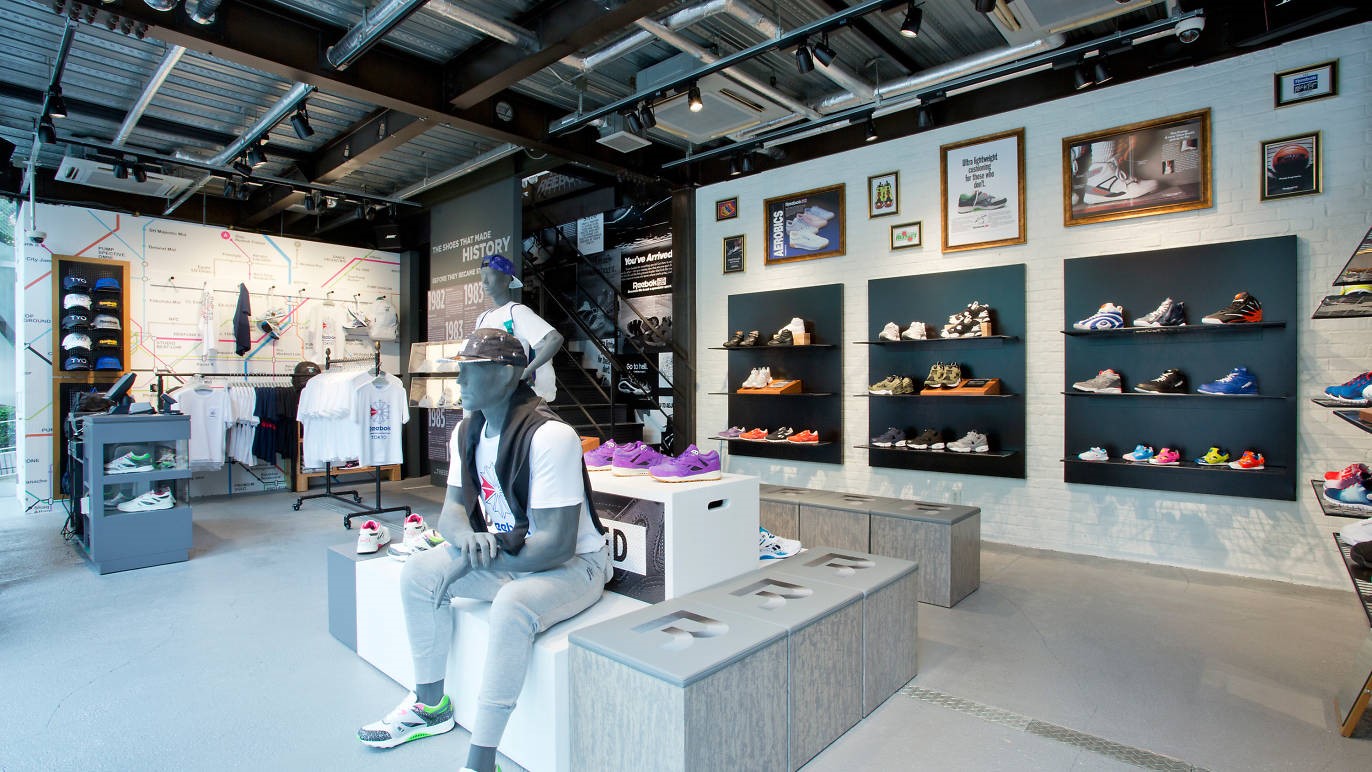
Reebok Classics Flagship: Harajuku Japan. Conceptual design. In-house team, 2015. A two-story showcase located in Tokyo’s trendy Harajuku district. The location was a a key shopping spot for Tokyo’s sneakerhead culture to access key drops, experience local activations, and shop bespoke product ranges through invitation-only events. Though small, the space was event-driven and provided many opportunities for local artists and consumers to interact in a fun environment.

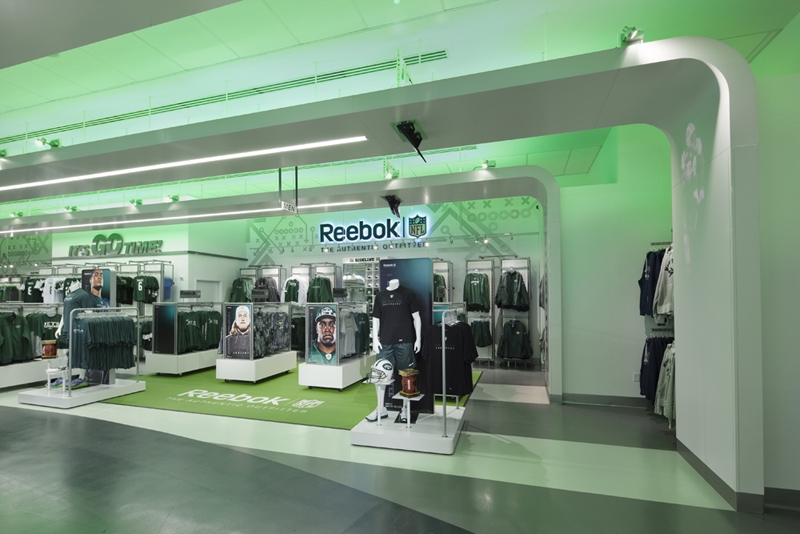
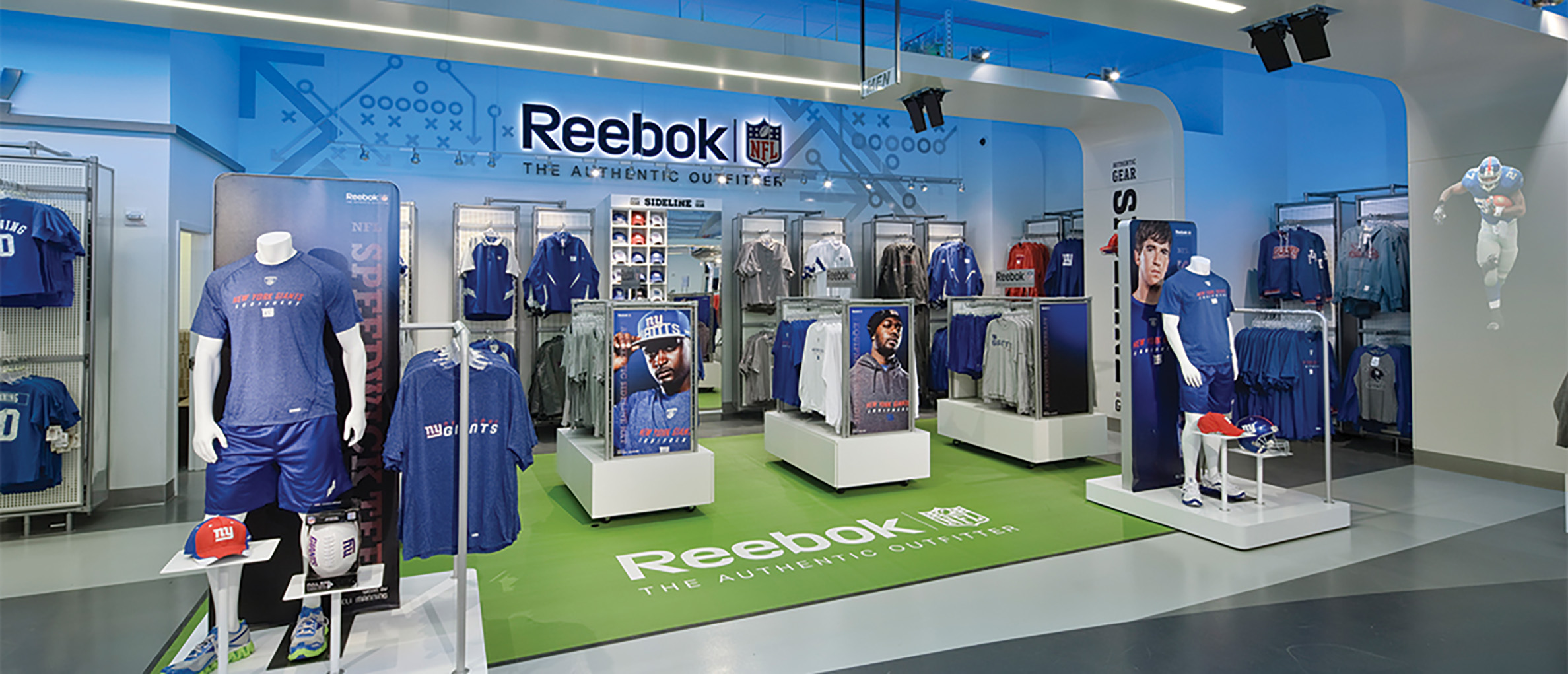
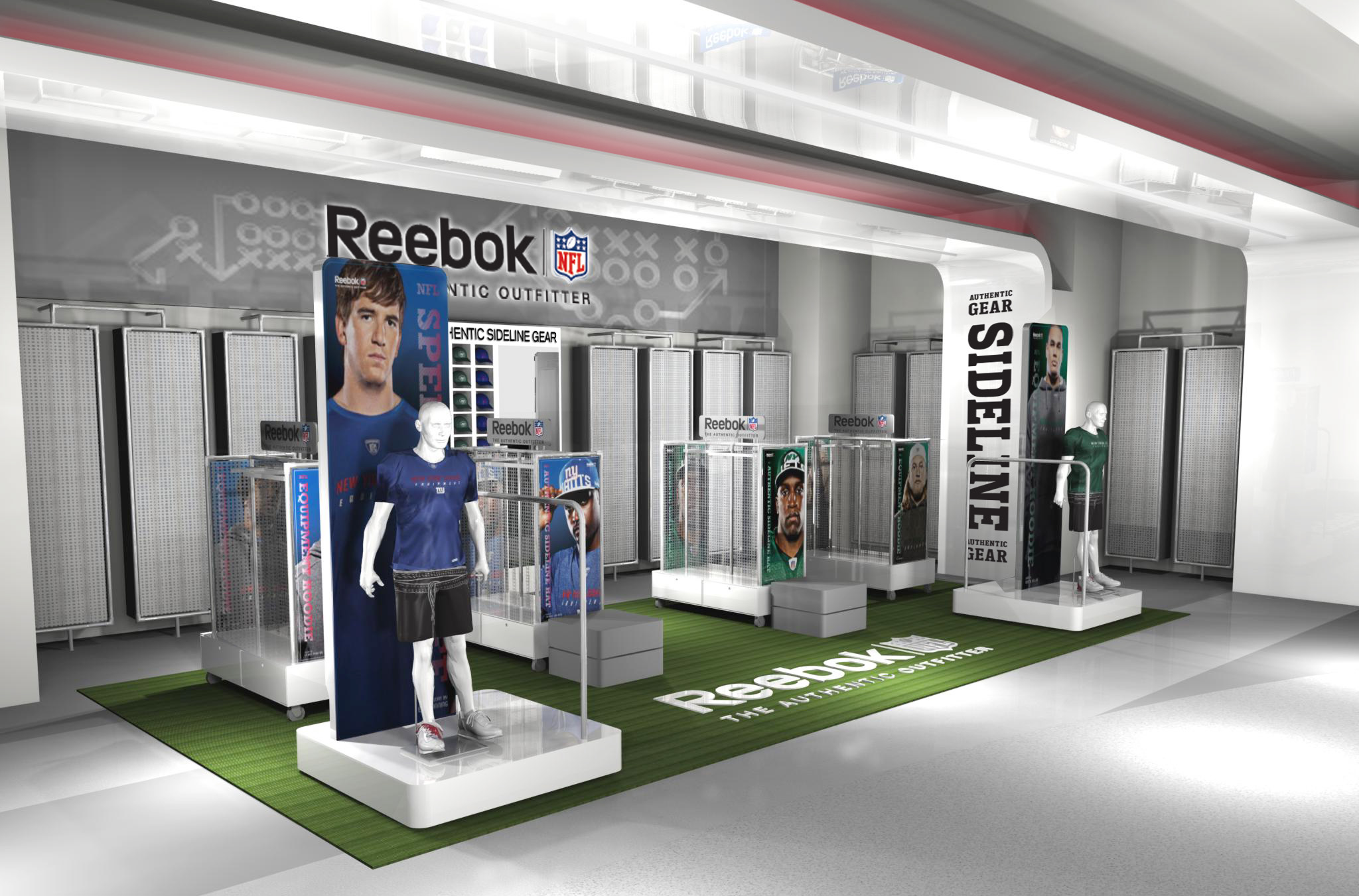
Reebok NFL Onfield: New York Giant / Jets and New England Patriots Stadium Flagships. Conceptual Design. In-house team, 2010 and 2008. The Reebok Brand’s relationship with the NFL provided an opportunity to flex experiential retail muscle in stadiums with key franchises. In the New York Giant / Jets stadium, a flexible concept was designed in order to quickly flip out product from the Giants to Jets as the same stadium was used by both franchises. The use of color changing LED lighting was used to highlight those team colors respectively catering to that teams’ fans.
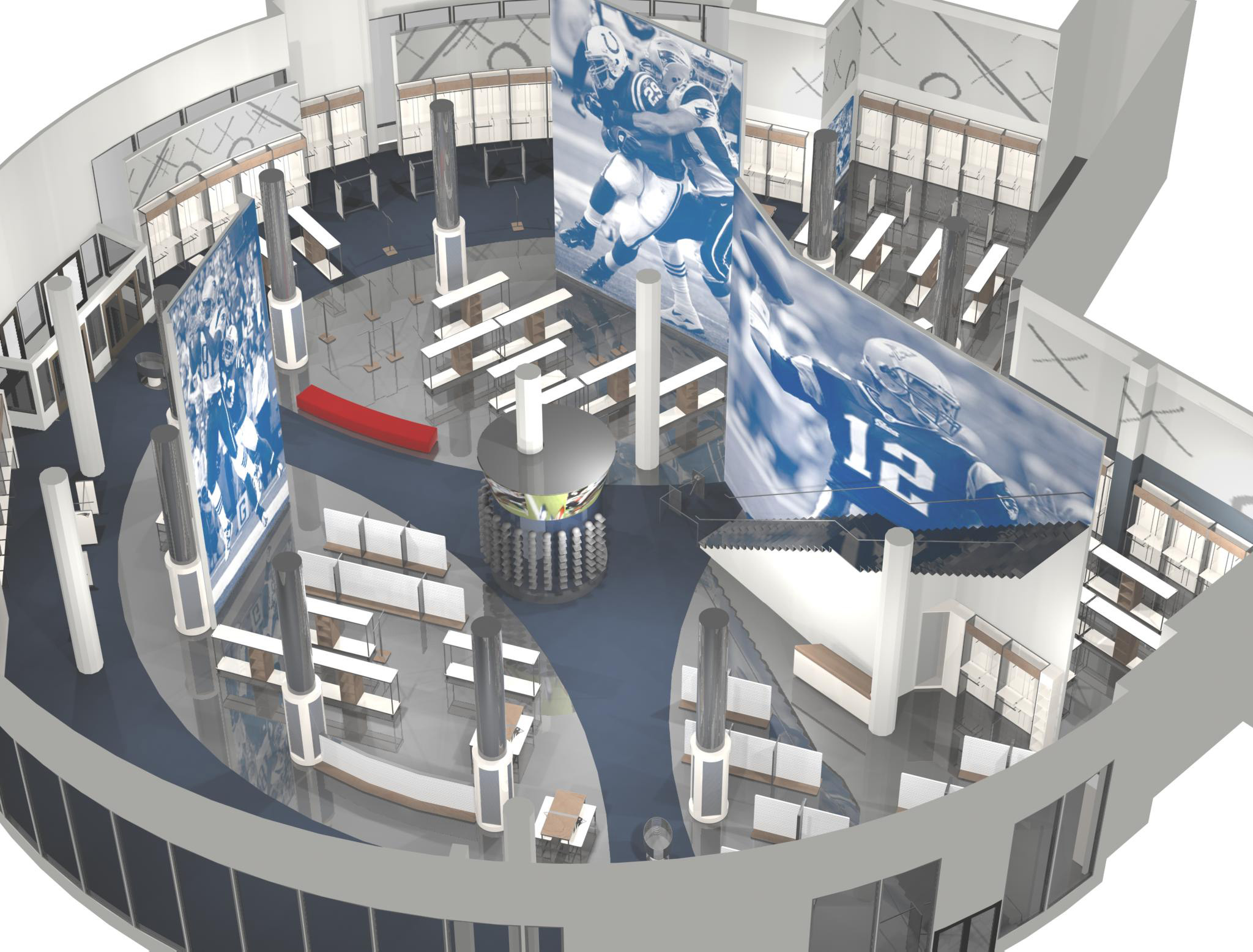
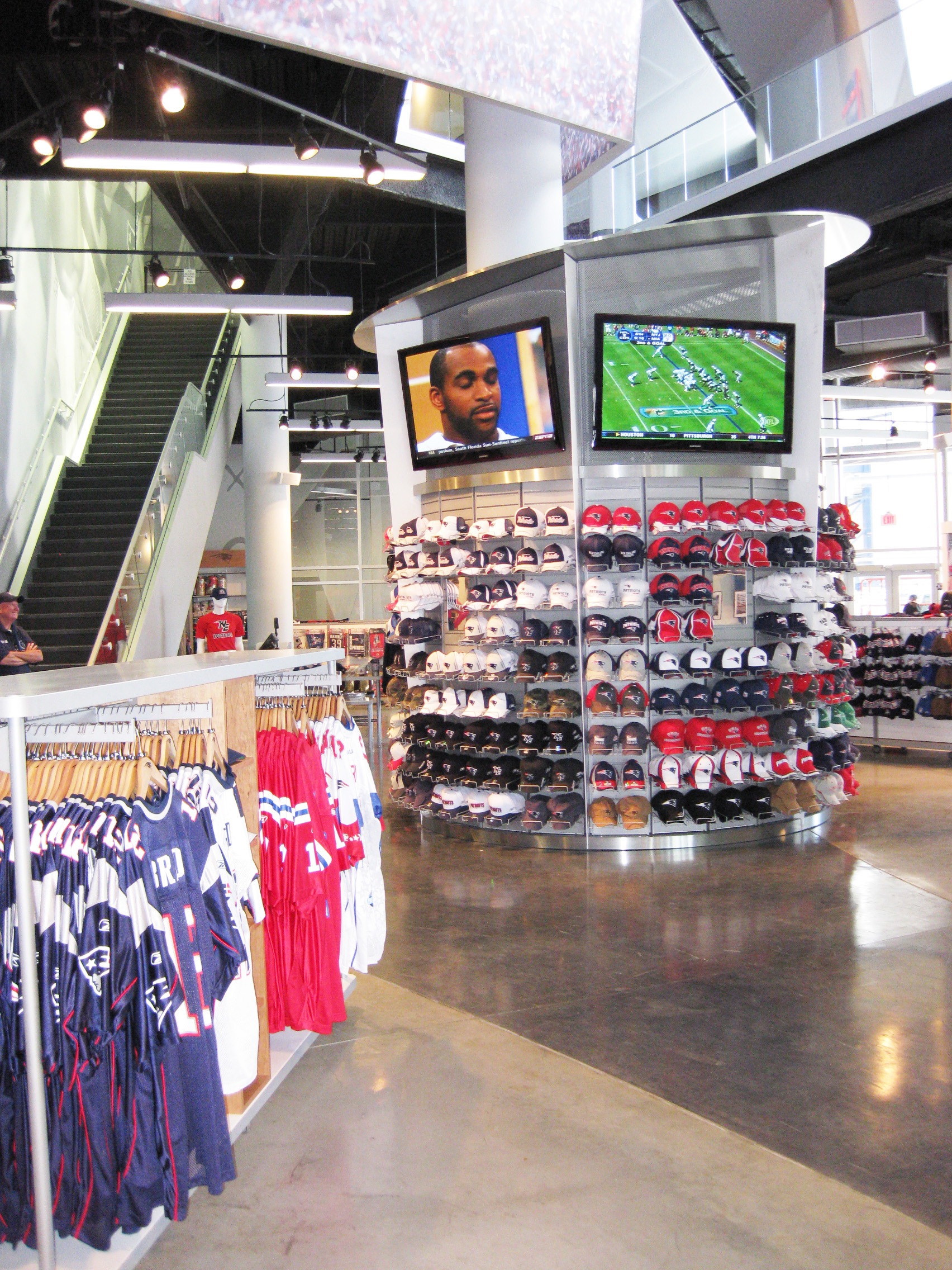
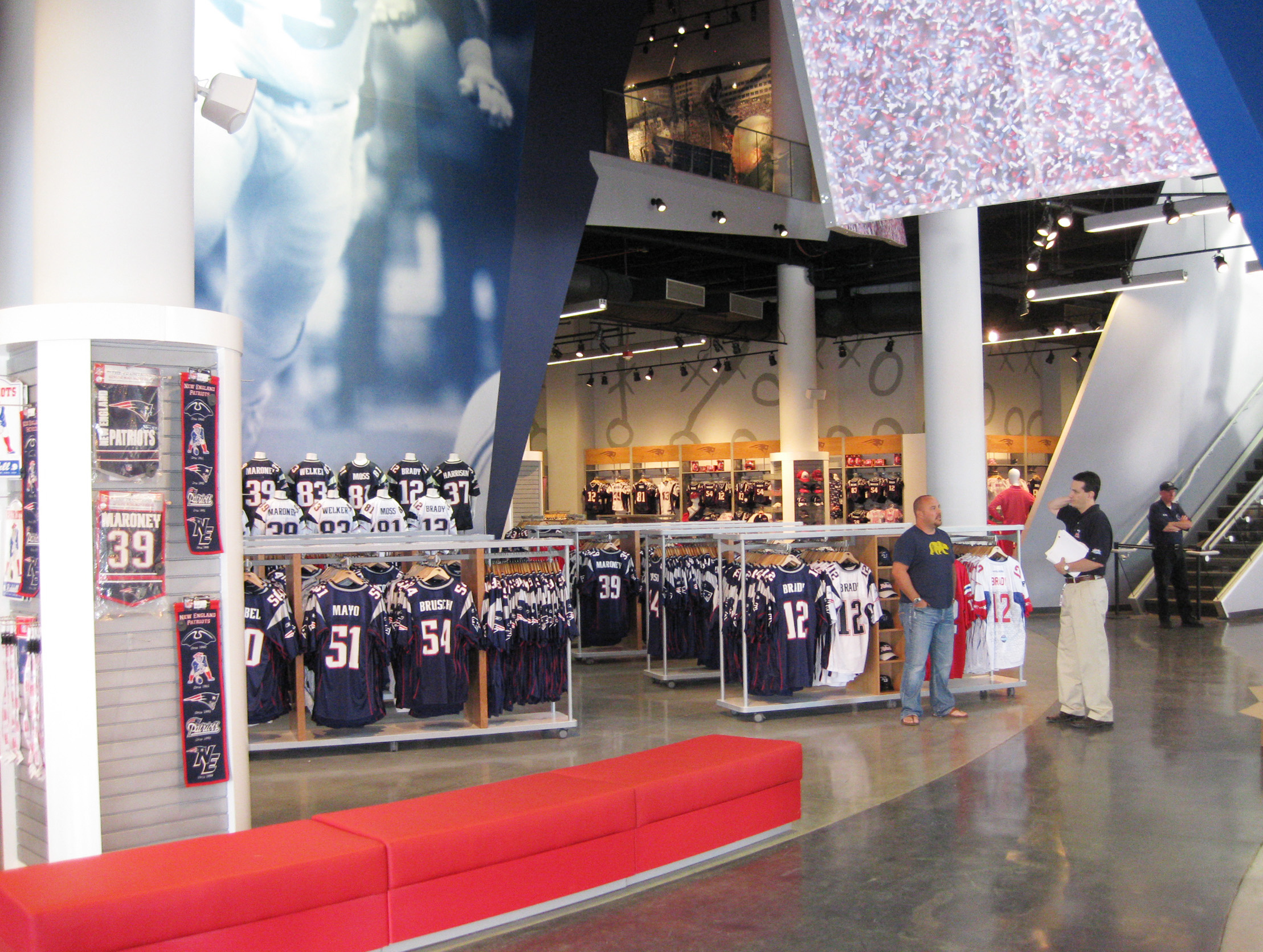
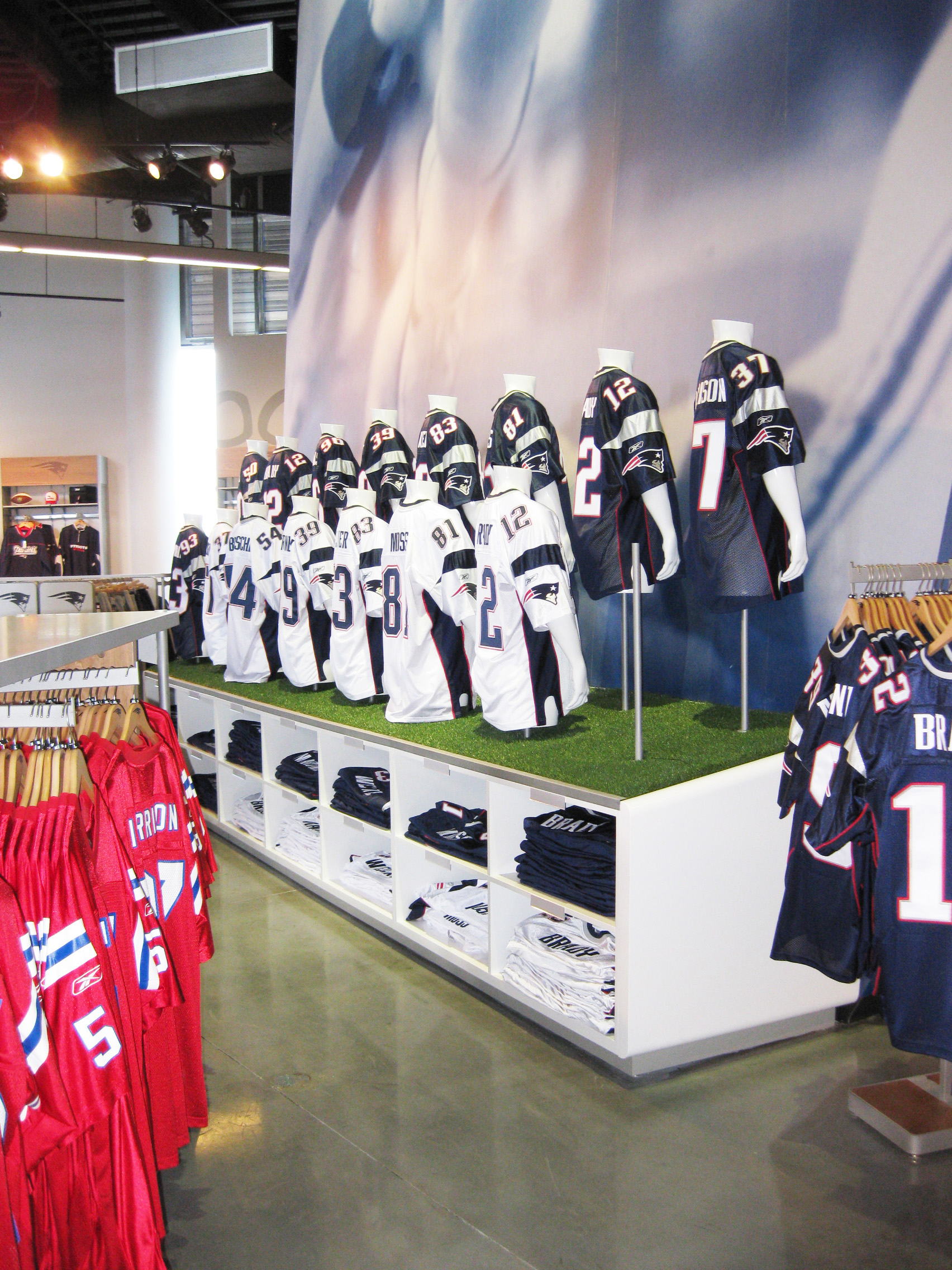
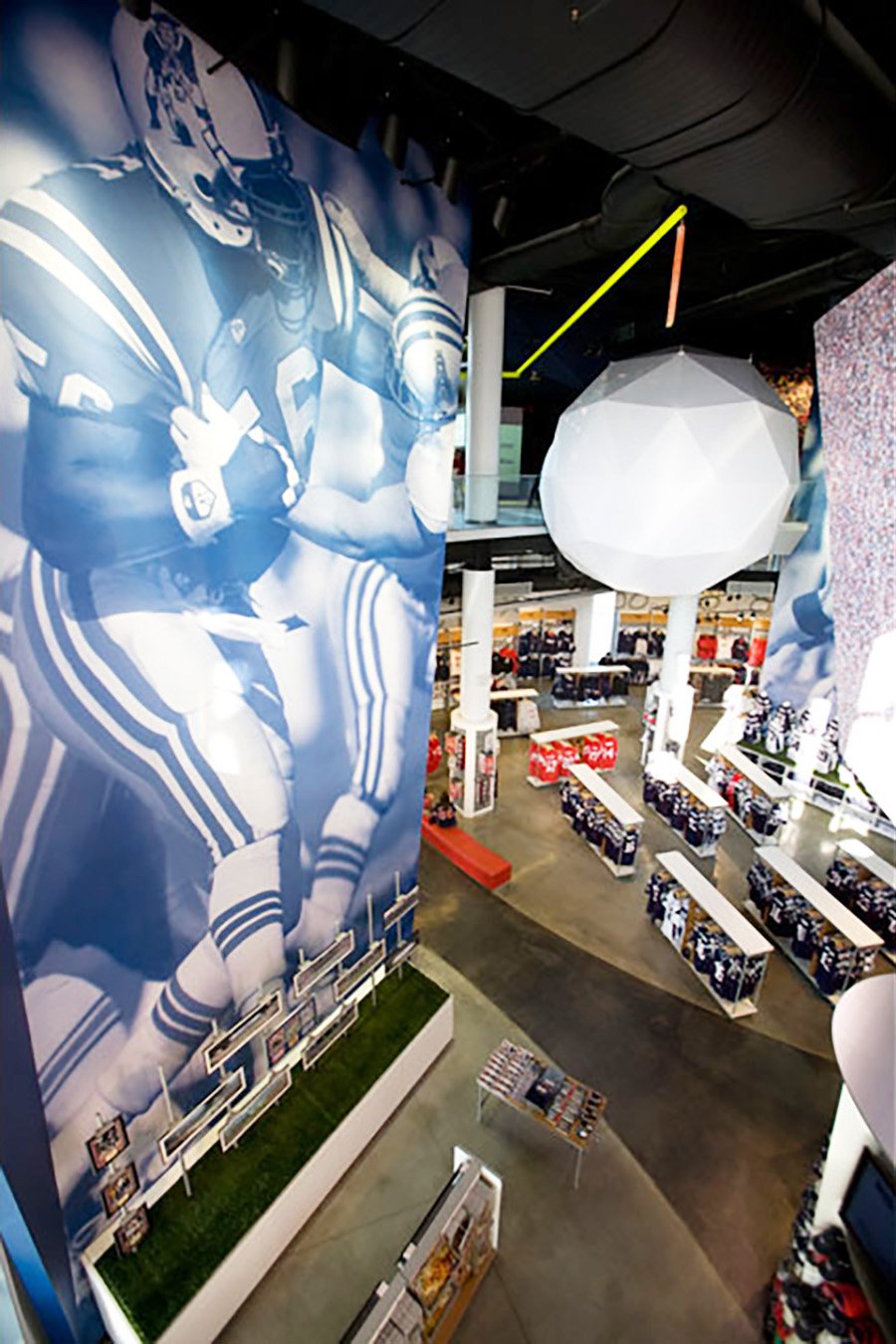
In the New England Patriots stadium, a massive location was crafted in order to cater to game-day fans needs. A sport-inspired design was established in order to showcase the Patriots and Reebok Brand product, while allowing a game day crowd of over 60,000 to flow through comfortably if needed. While in non-game day setting, the space still feels intimate enough for a slower pace shopper to experience the best NFL franchise teams’ story.
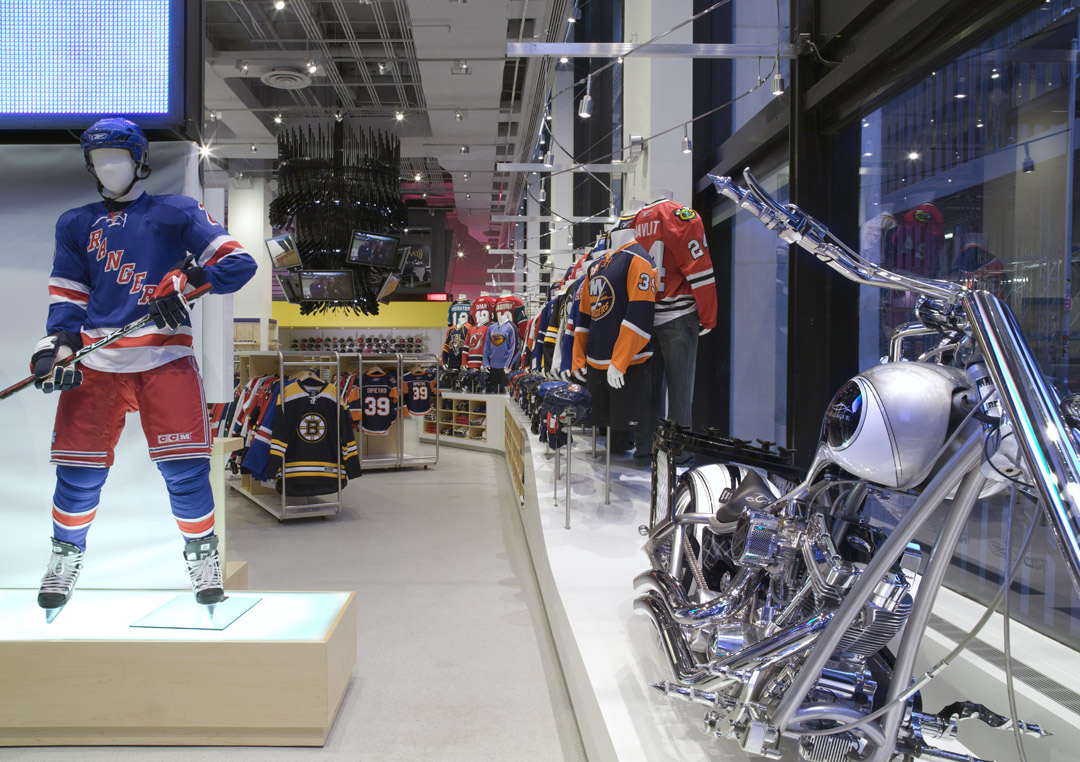
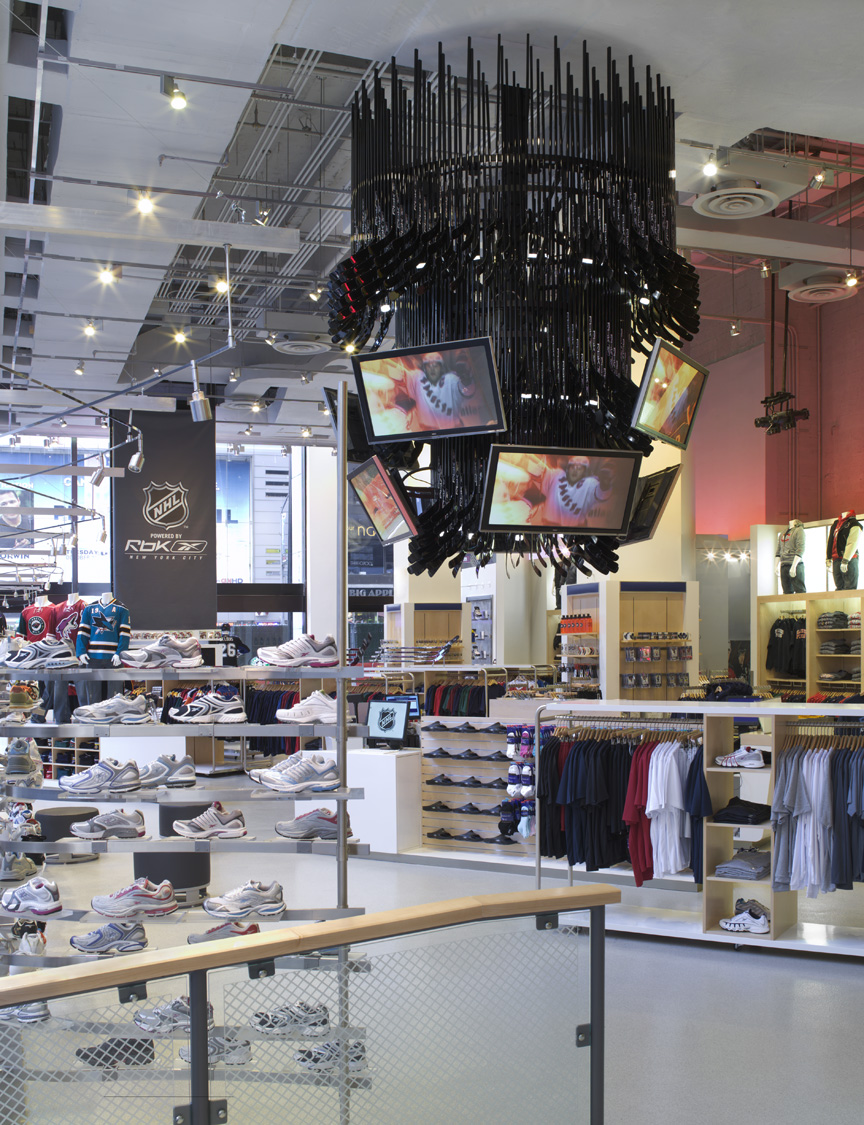
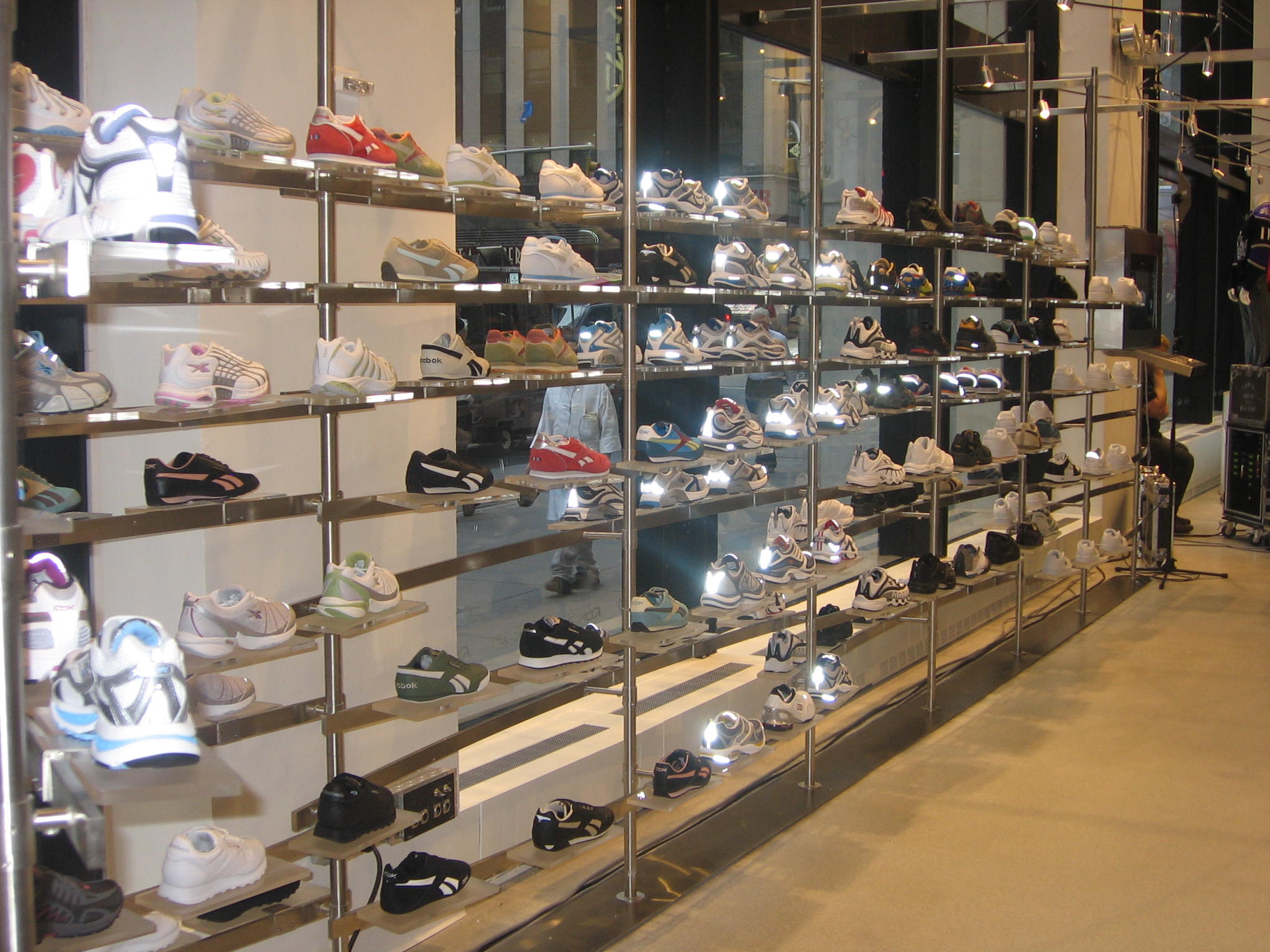
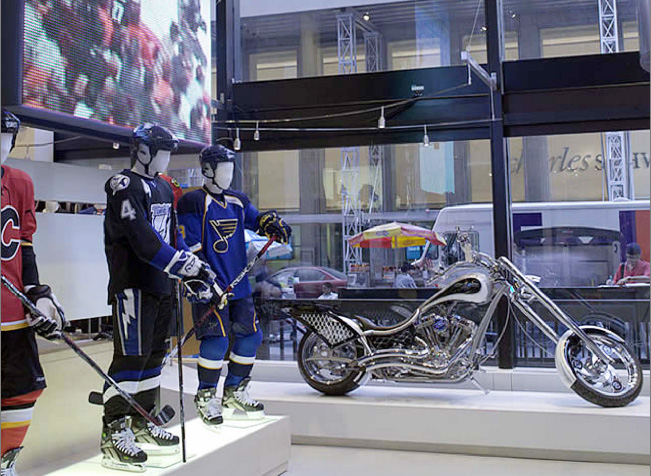
Powered By Reebok NHL Flagship: New York City. Conceptual Design. In partnership with Gensler, All fixture design, design planning, and project management provided by In-house team, 2007.
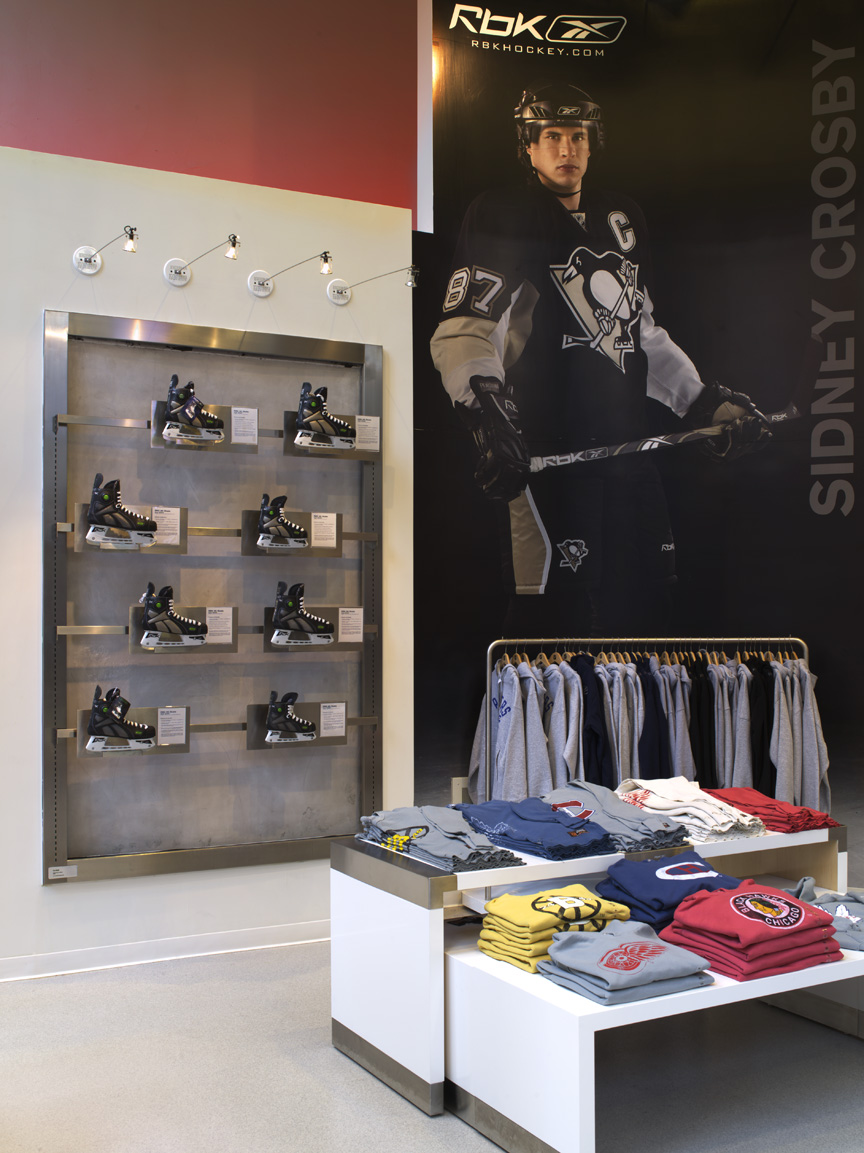
In Reebok’s partnership with the NHL, both Brands wanted to establish a bespoke shopping experience to cater to their robust clientele traveling through New York City as visitors and city dwellers alike. Shapes, textures, and materials were selected exclusively to emulate the power and movement present within the game of hockey. The design included a broadcast studio for on-air personalities, an on-site full serve Starbucks, and a massive LED tower for NHL video texture. The design also included an Ice wall where a frozen surface provided a backdrop for premier skates, a sculptural element that utilized hundreds of hockey sticks, and a multitude of monitors to showcase NHL games across the league on any given in-season night.
Product displays were curated to showcase all NHL teams in full breadth, alongside Reebok’s Onfield collection of top-tier fangear, and top Reebok brand product alike.
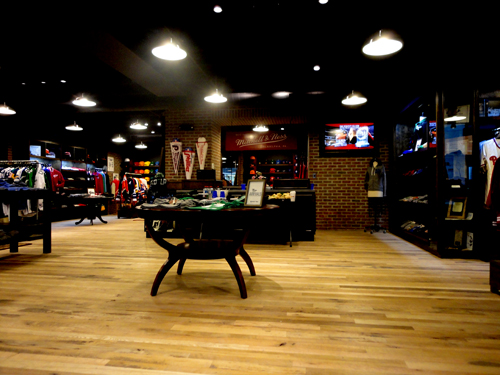
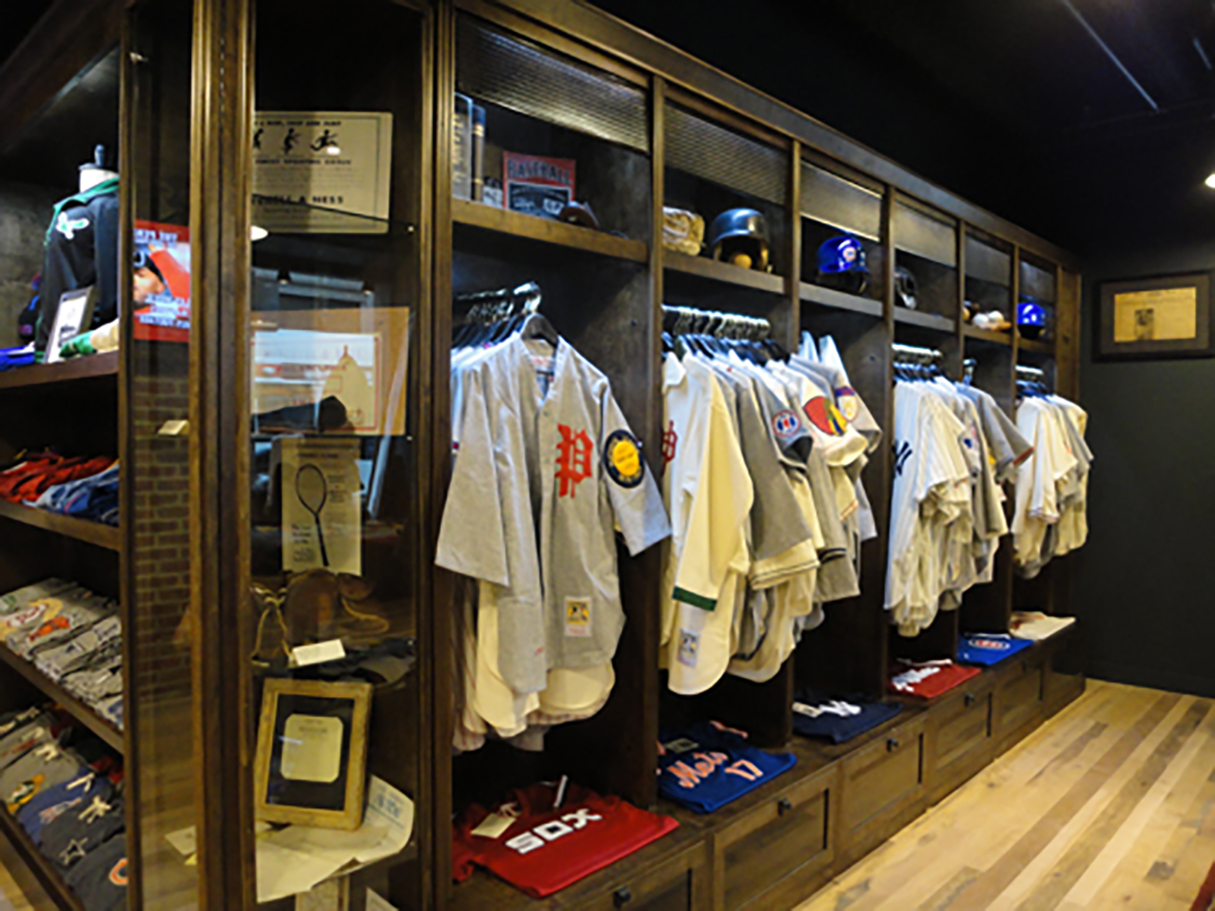
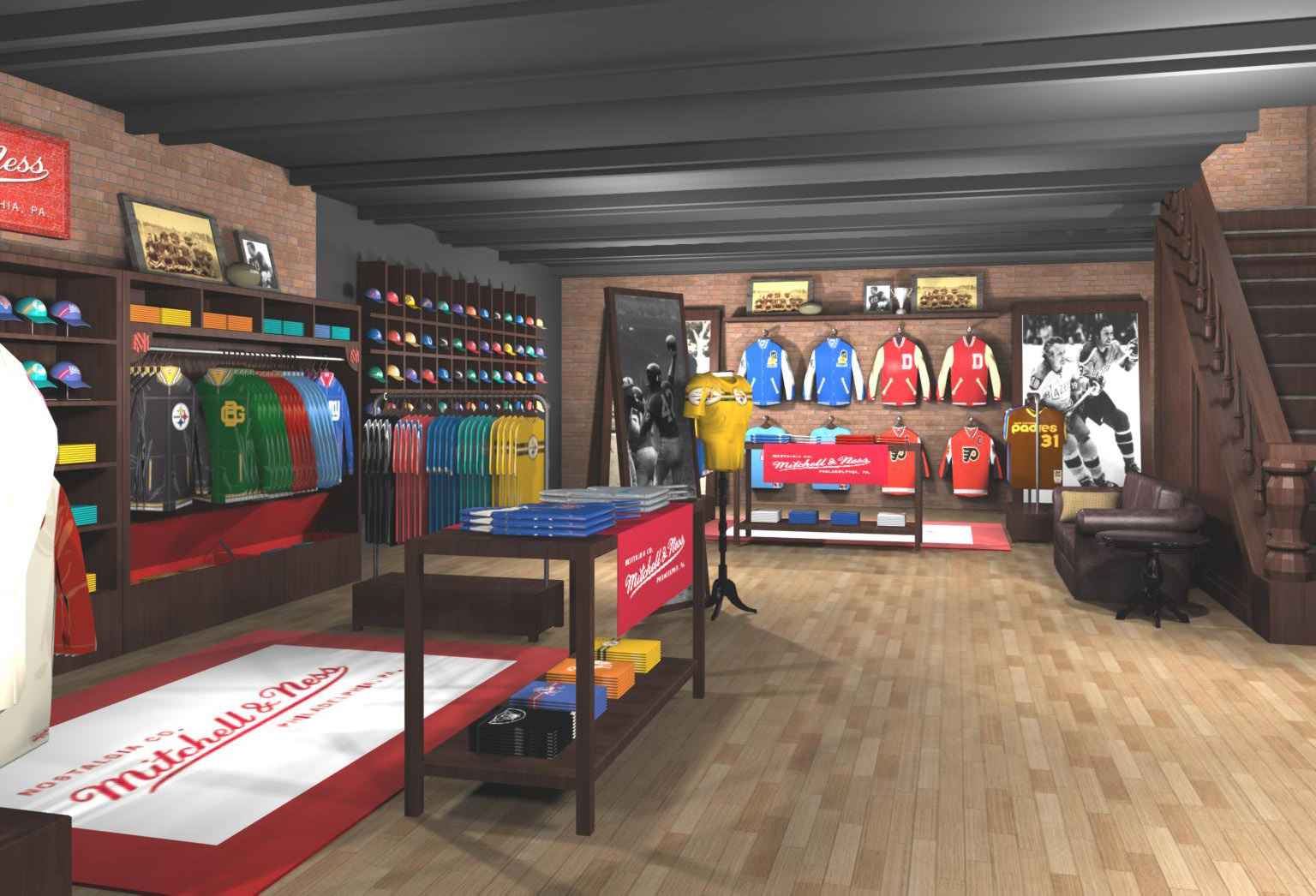
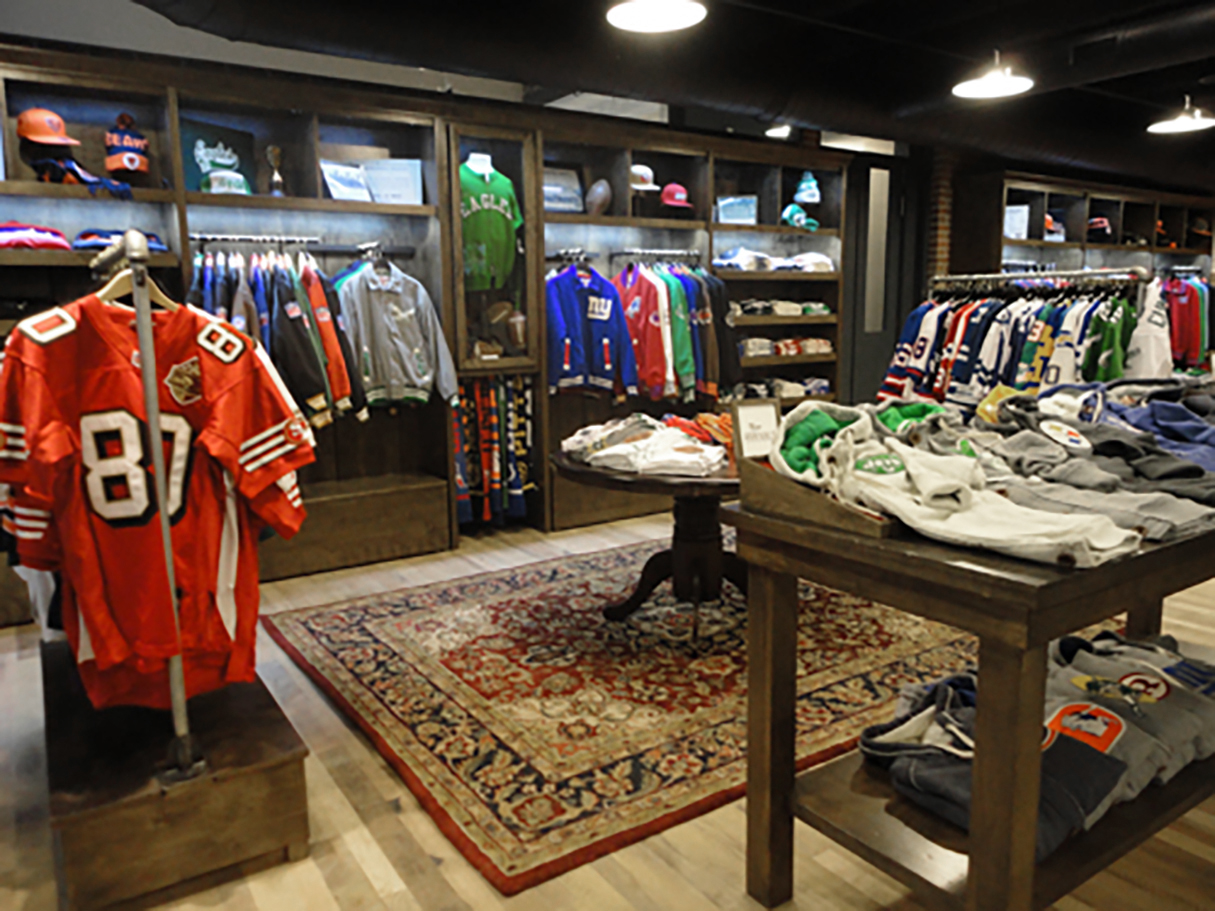
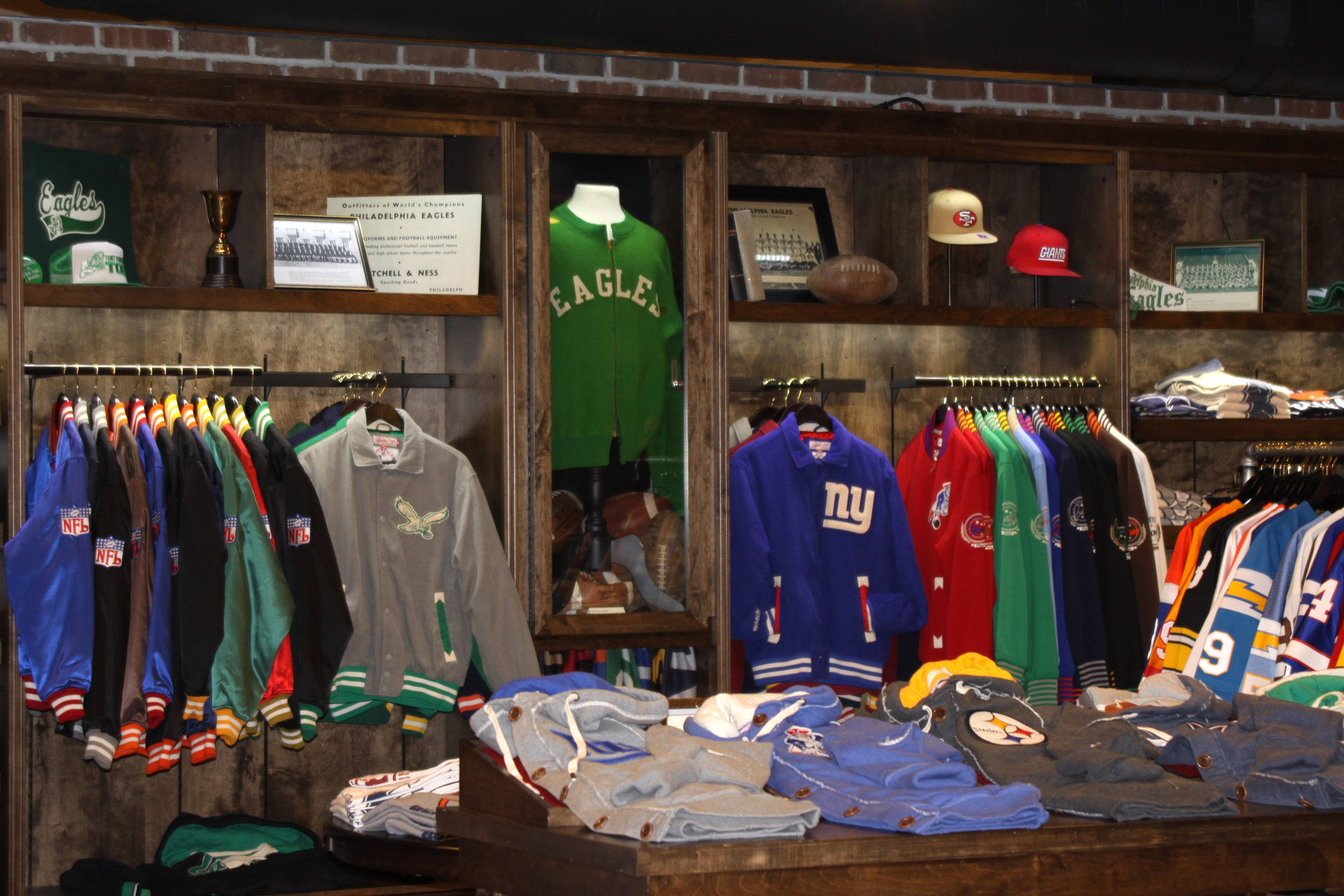
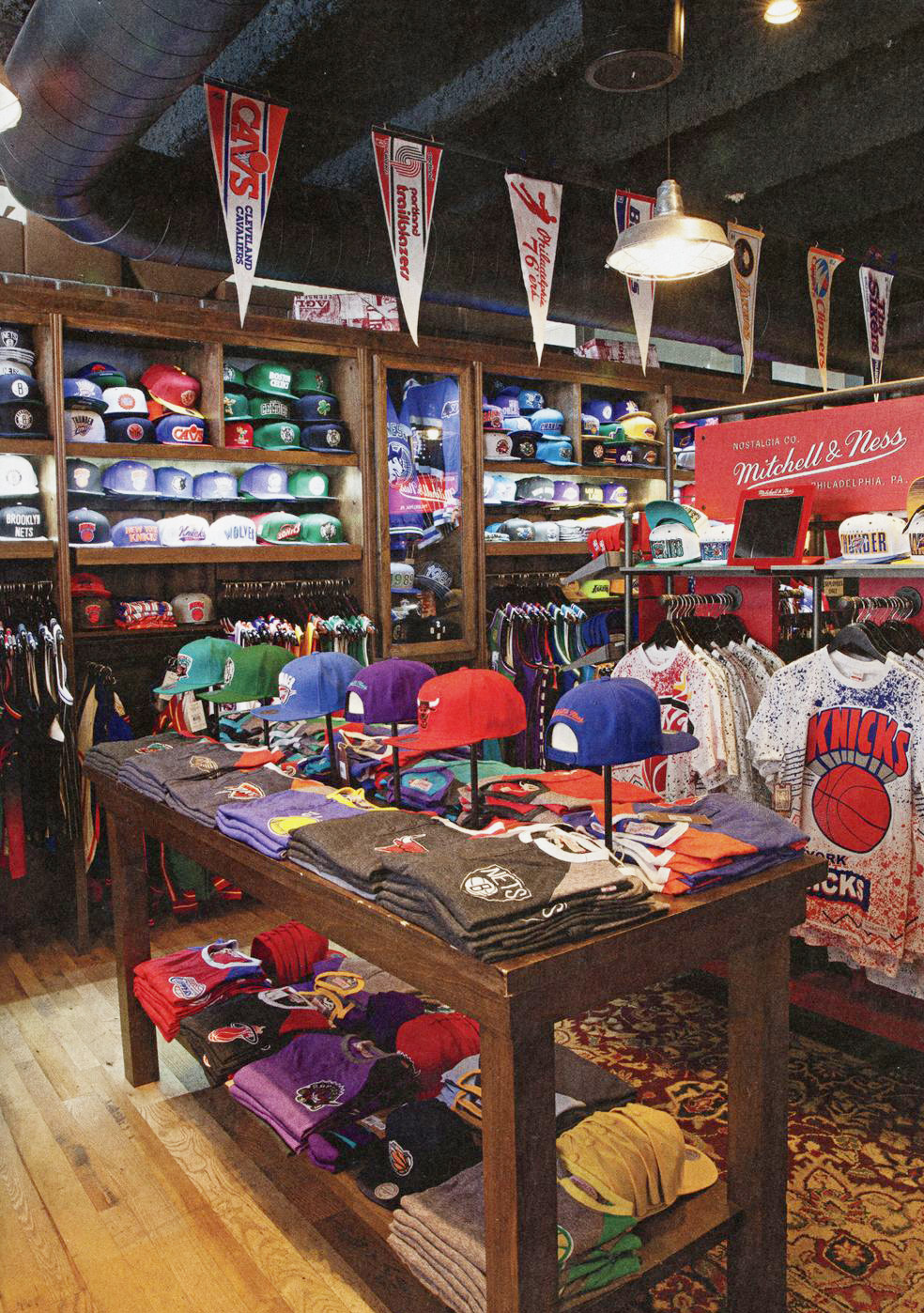
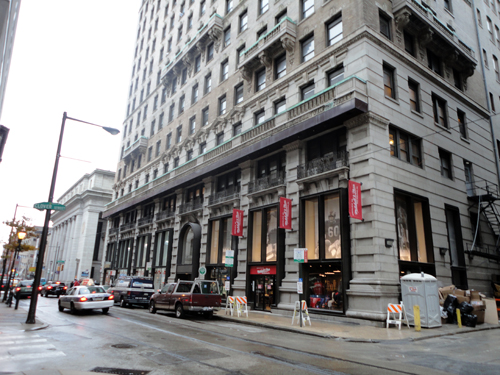
Mitchell And Ness Flagship: Philadelphia. Conceptual design. In house team, 2015. With Reebok’s purchase of the Mitchell and Ness Brand, both partners wanted to update the look and feel of the legendary sports league product showcase to give that consumer a top-tier retail experience. Styling, color, materials, wood selection, lighting and flooring were selected in order to evoke a historic, crafted feel.
A warm, comfortable, and classic approach was applied in order to evoke a ballpark locker room feel in order to couch the historic replica team apparel in a proper light. The concept was also used in roll-outs for pop-up shops, and also small shop in shops in fine retailers.
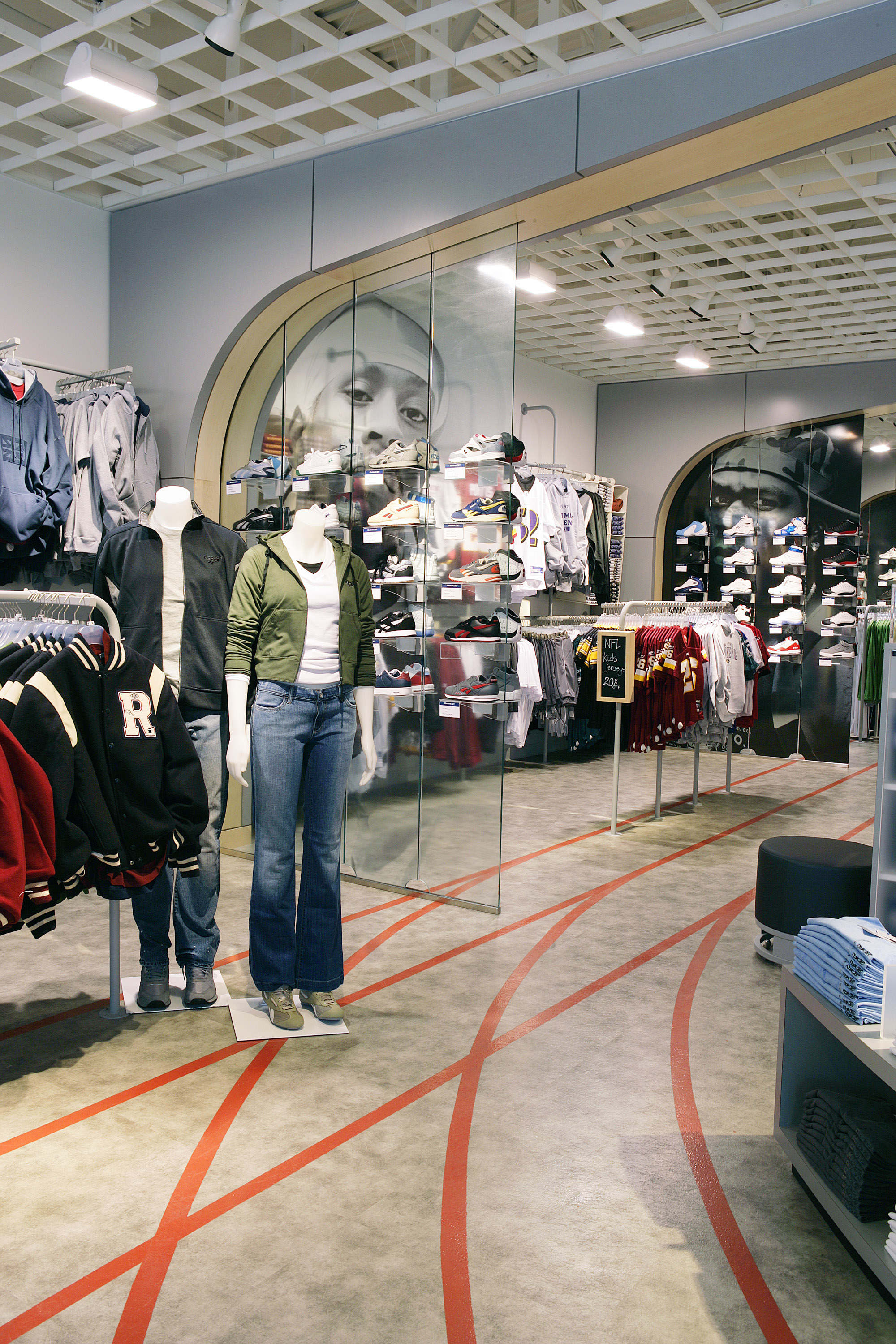
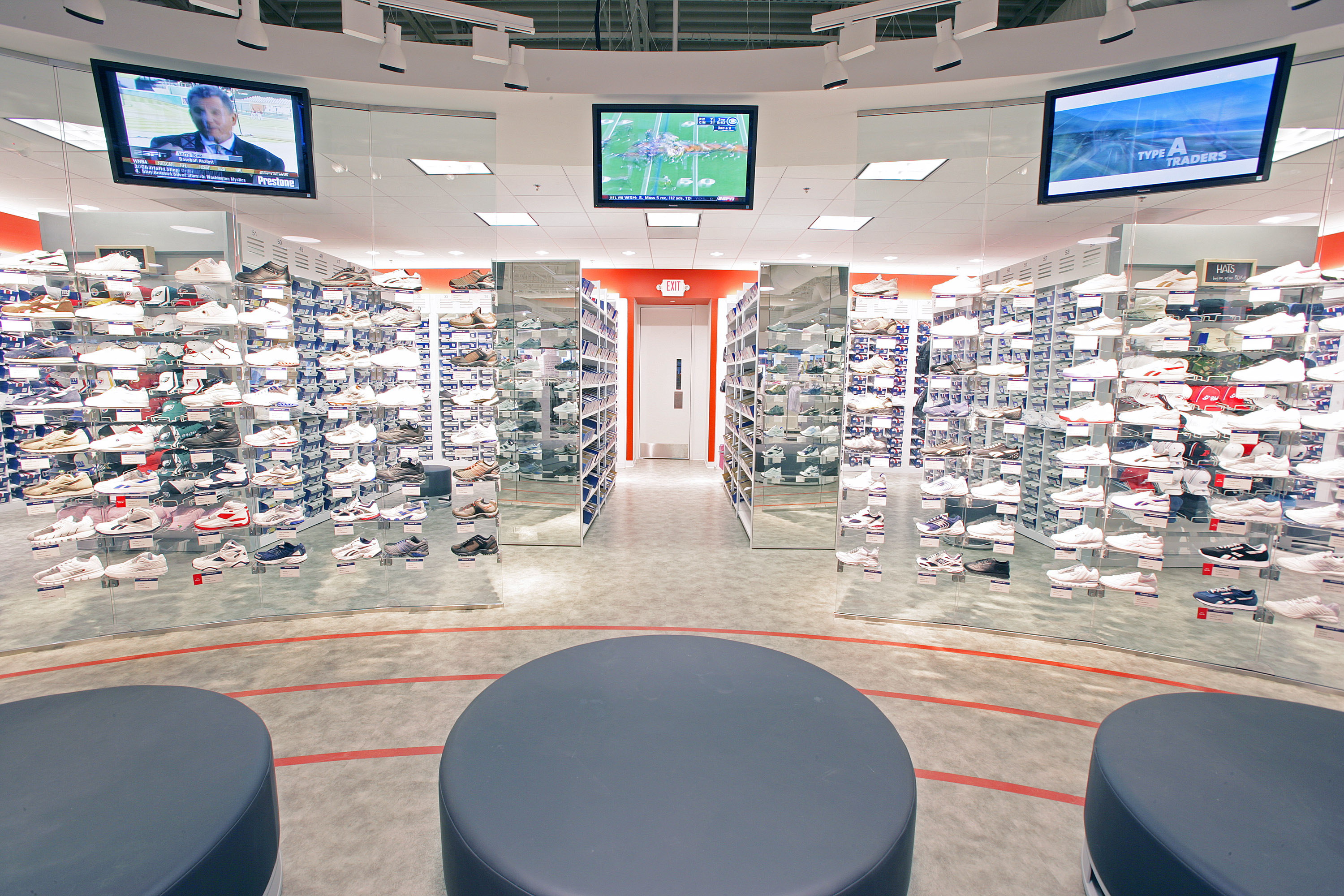
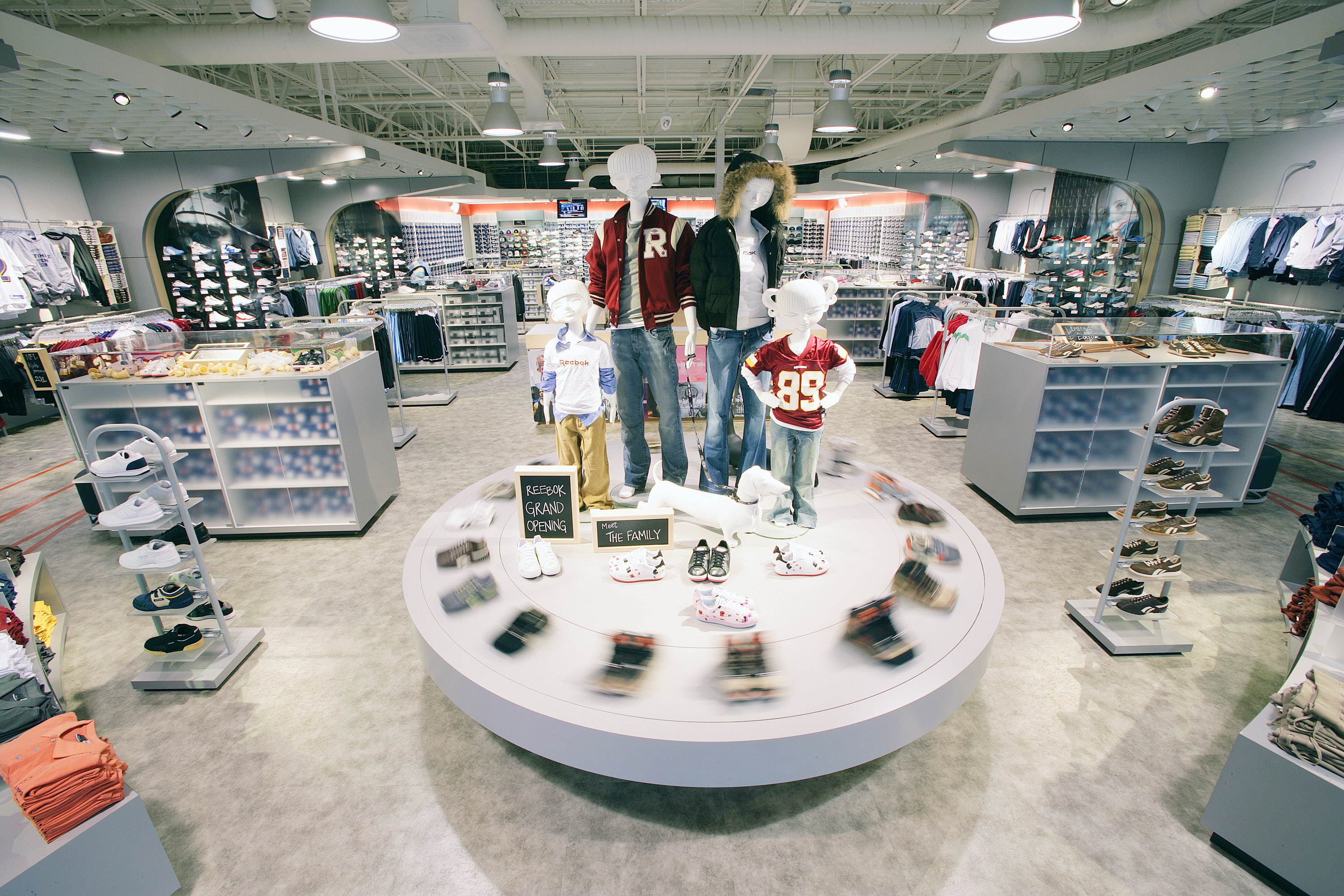
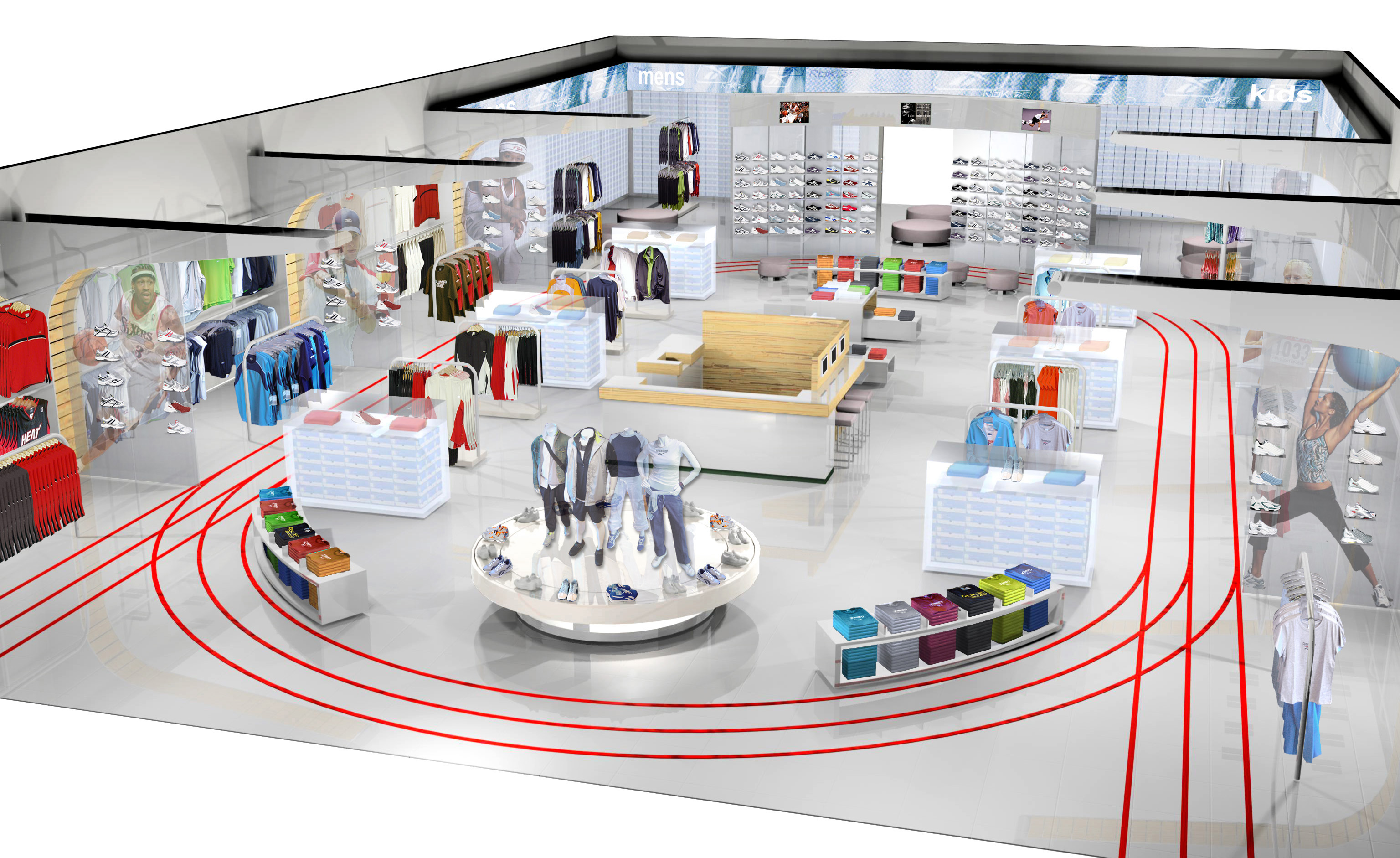
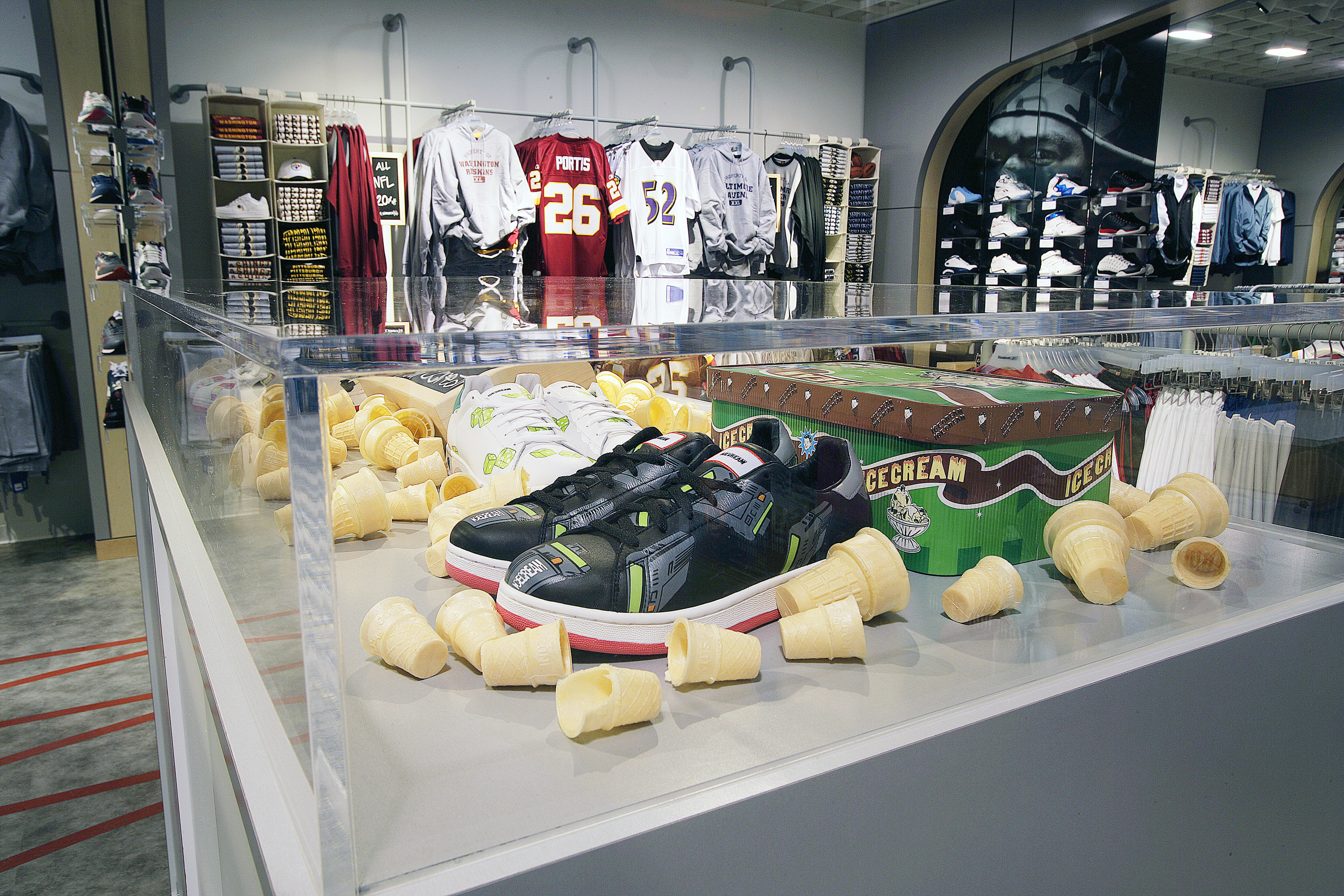
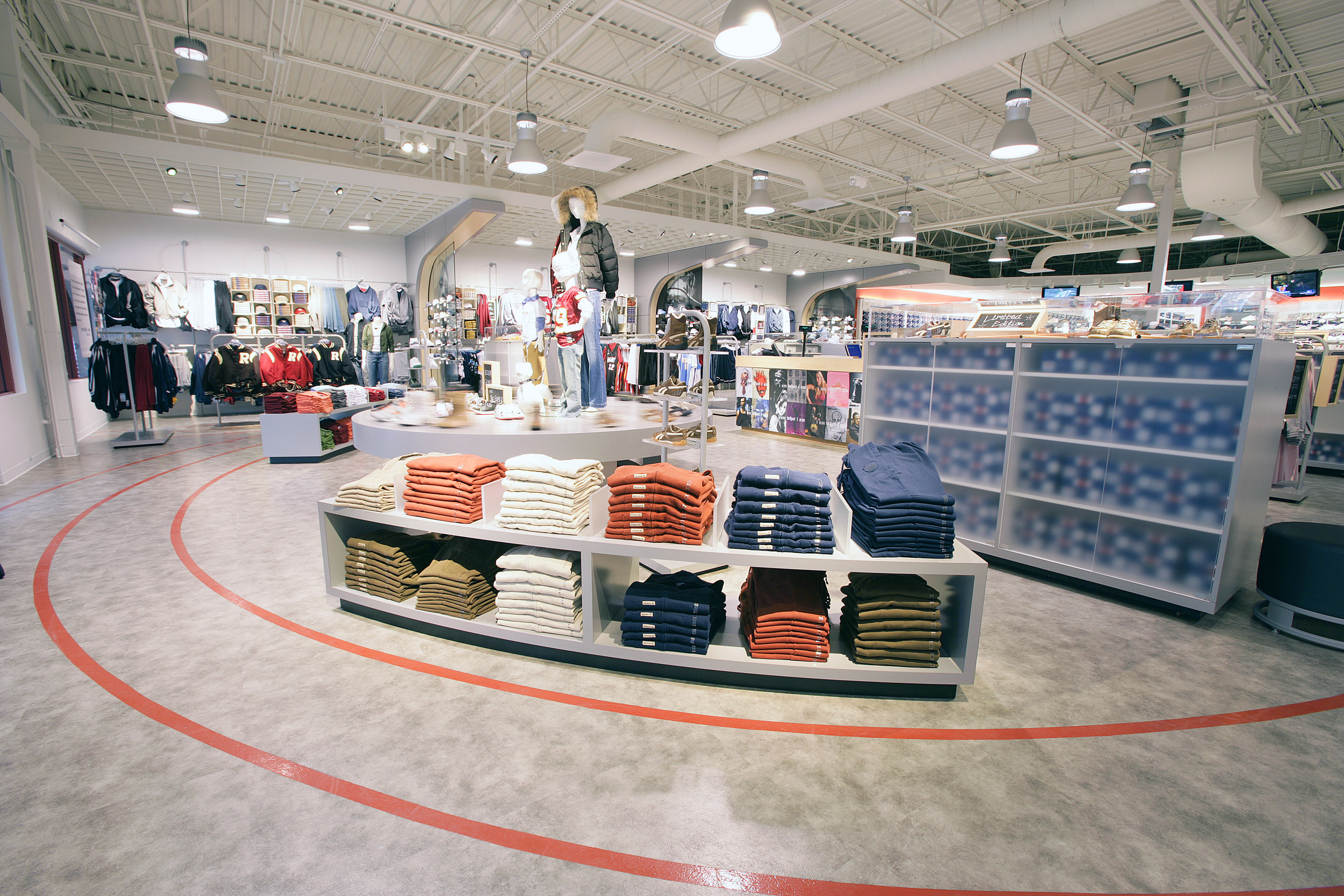
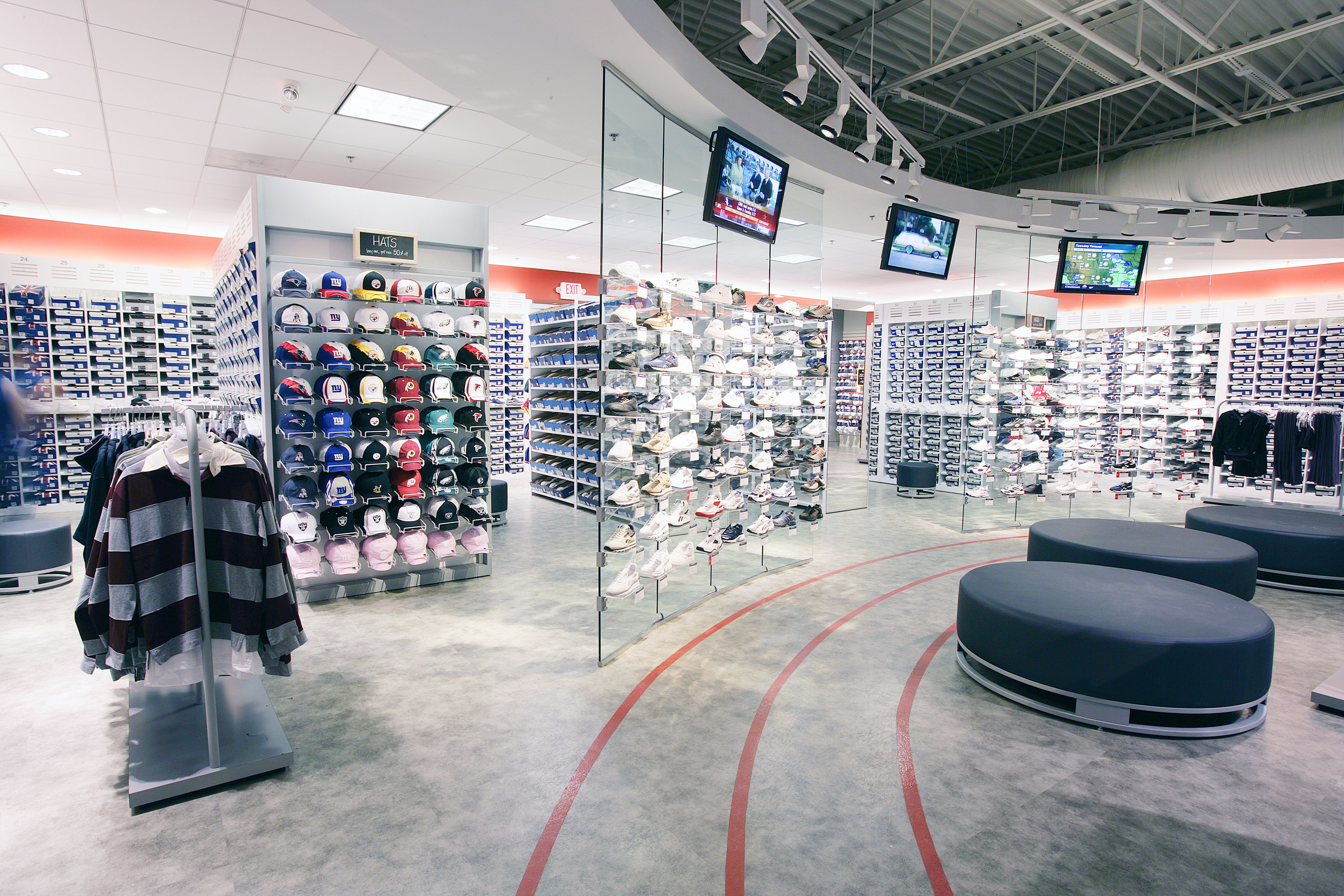
Reebok Outlet Leesburg: Conceptual design. In house team, 2005. The Reebok Brand wanted to establish a higher touch experience for its Outlet shopper. Evoking a sport-inspired Outlet approach while maintaining a sense of budget control, materials and design worked in conjunction to deliver an elevated look and feel. A hybrid approach was taken in having both full-service along with open-sell options to the shopper. Brand icons were incorporated into the large format storytelling glass wall dividers, crafting “rooms” that couched categories of product for a more intimate feel within the large space. The concept was successful, and led to a number of these Outlets being established throughout the US. The concept served as a model for later versions in lower cost formats.
Reebok Classics: Moscow. Conceptual Design. In-house team, 2012. The goal of the Classic design was to capture the local flavor of urban environments where the concept is presented. Cityscape-inspired highlight fixtures and rough textures reflected urban environments to evoke an authentic feel. Curated product and visual storytelling provided the shopper with Classic product in key locations globally.
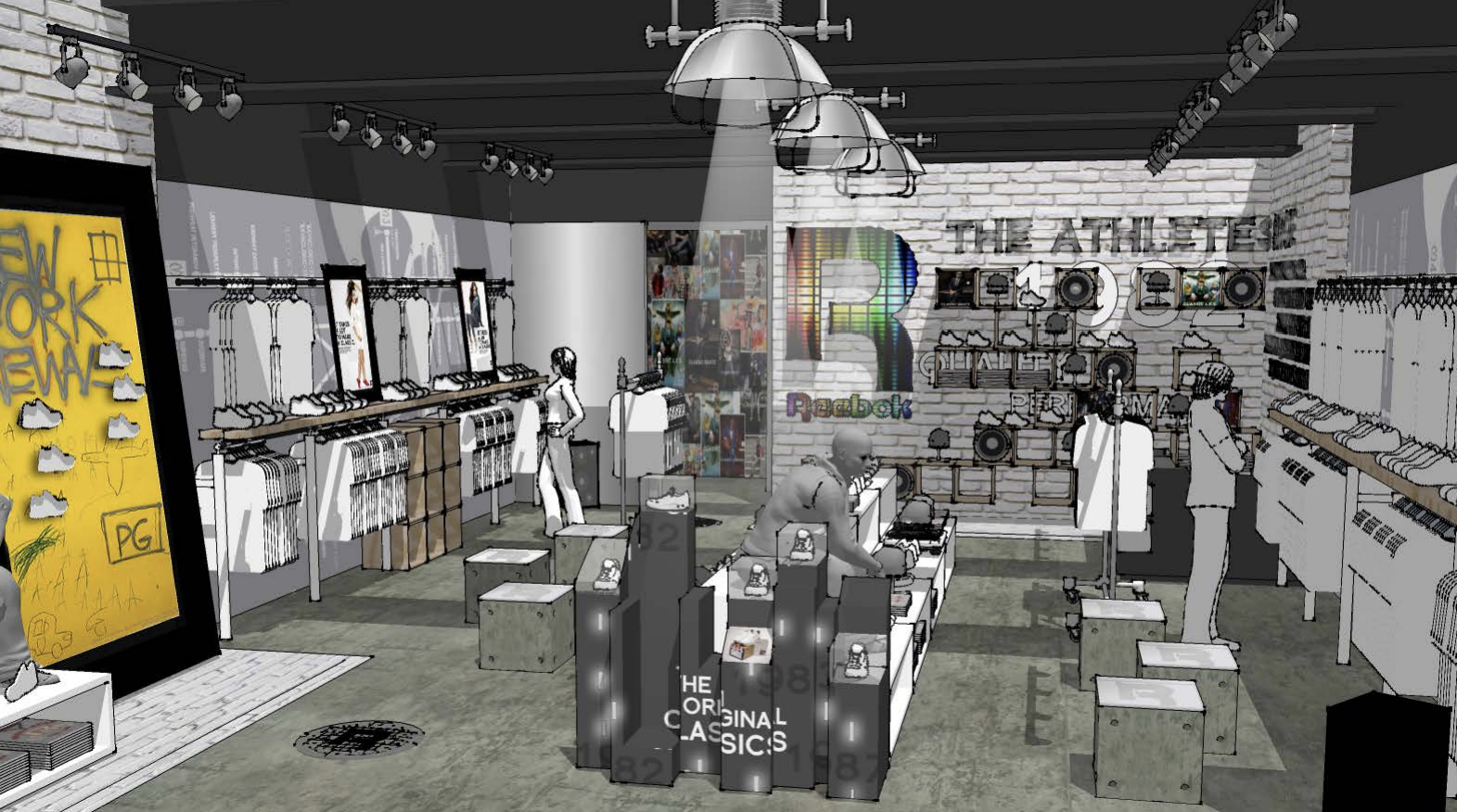
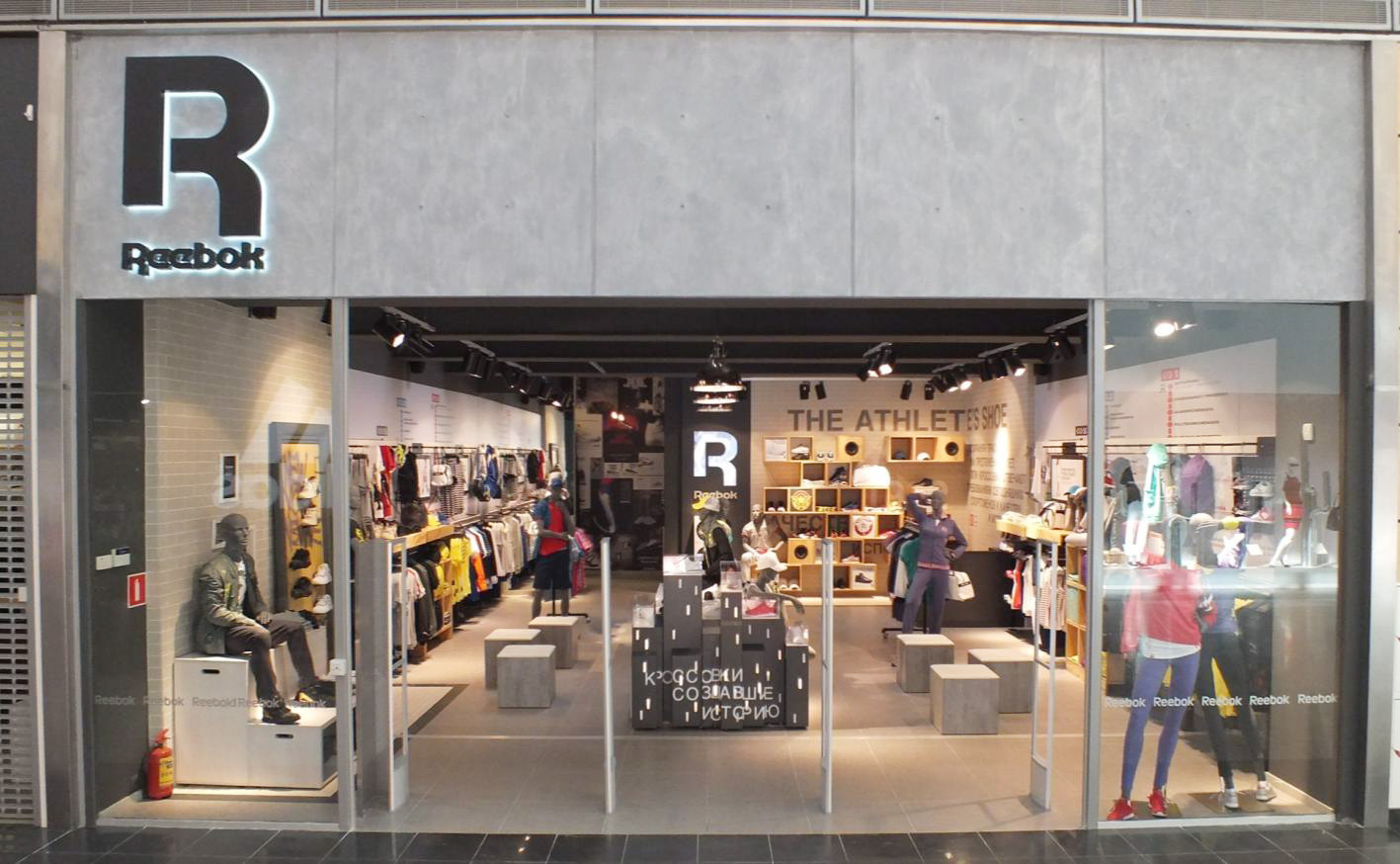
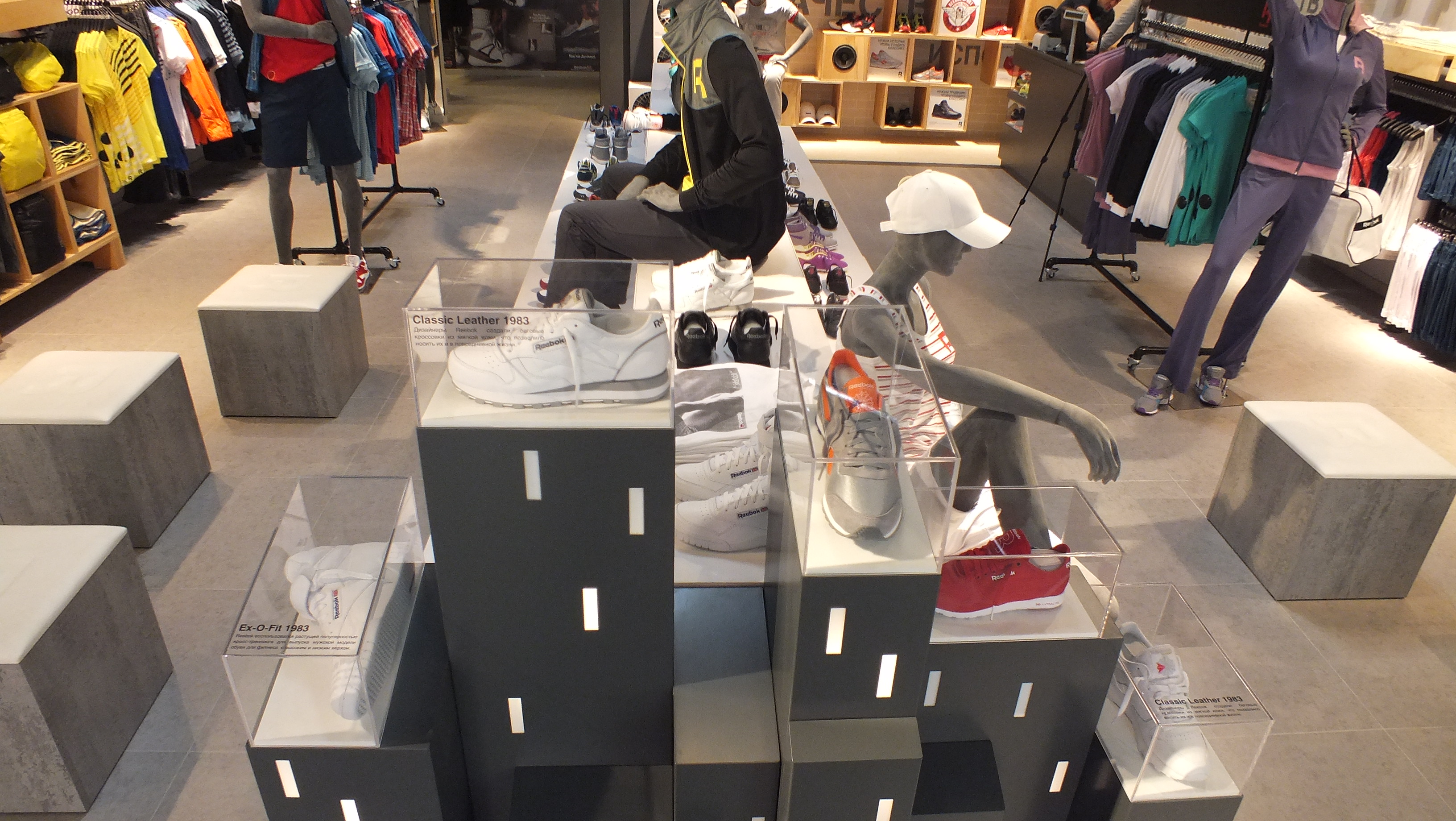
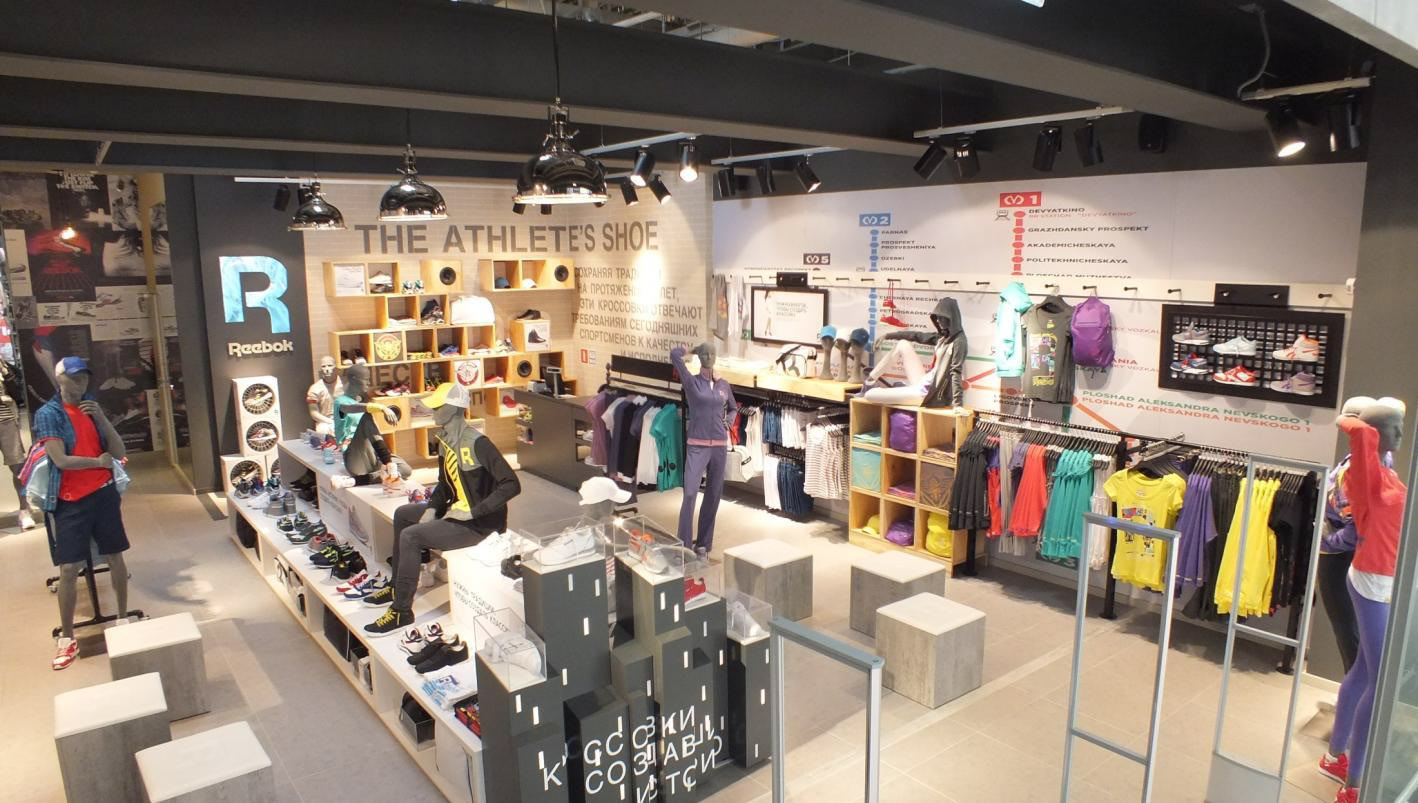
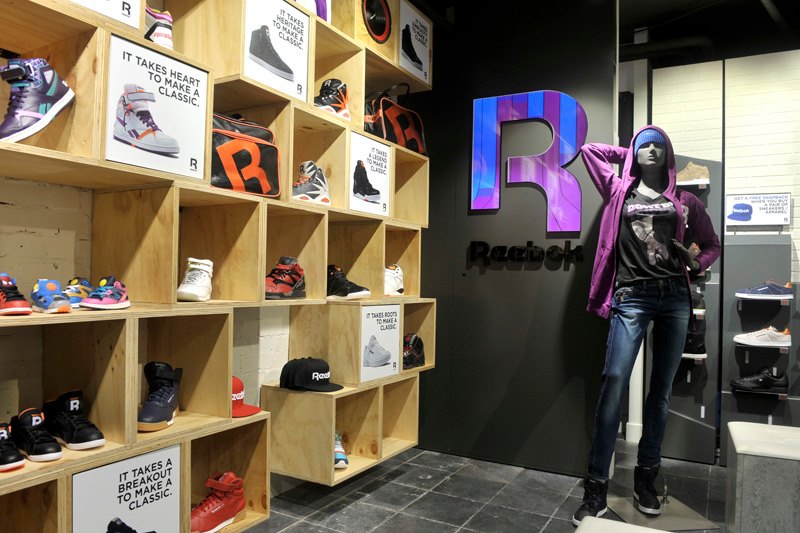
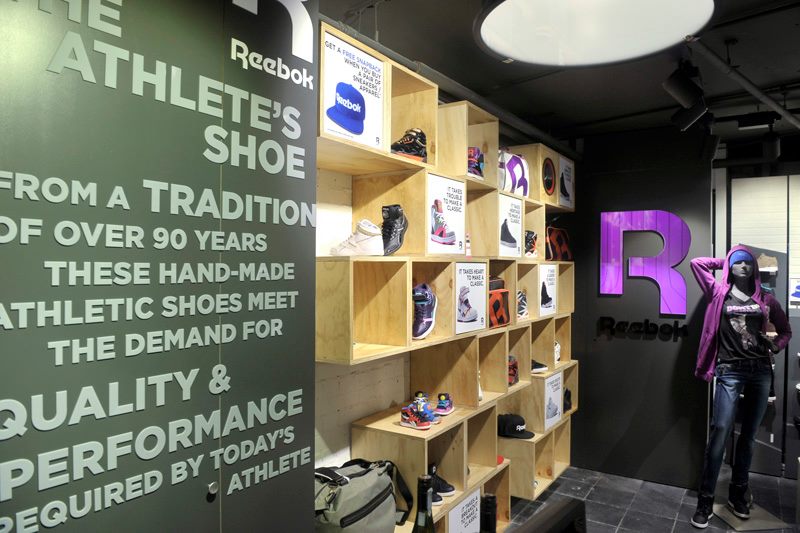
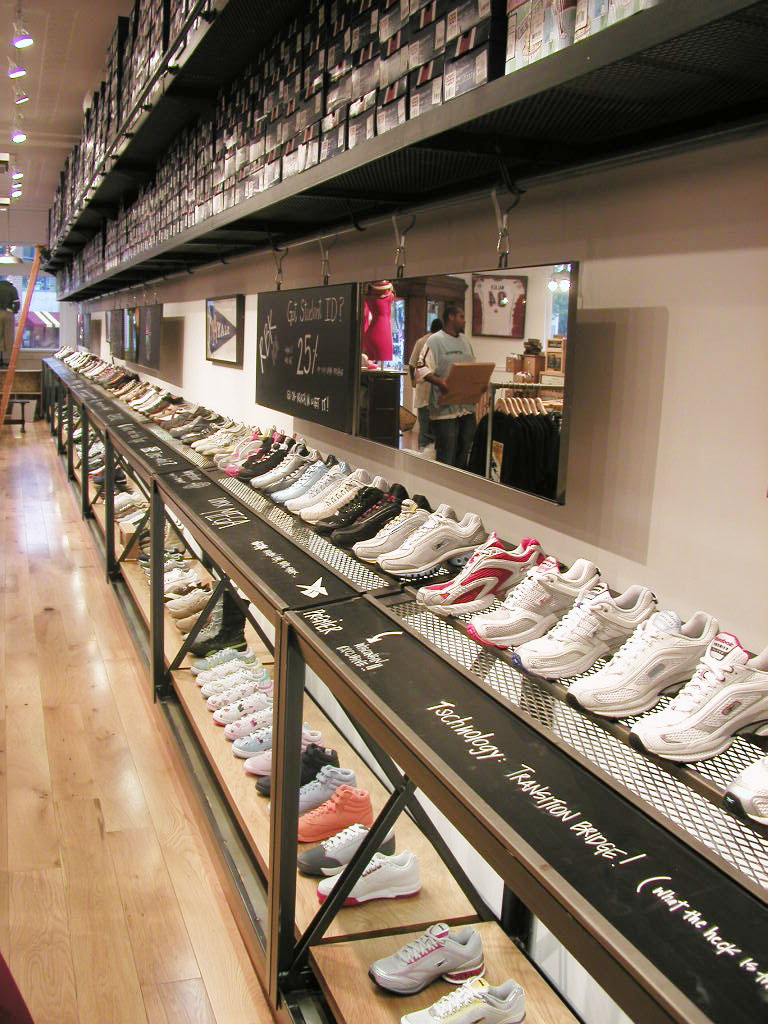
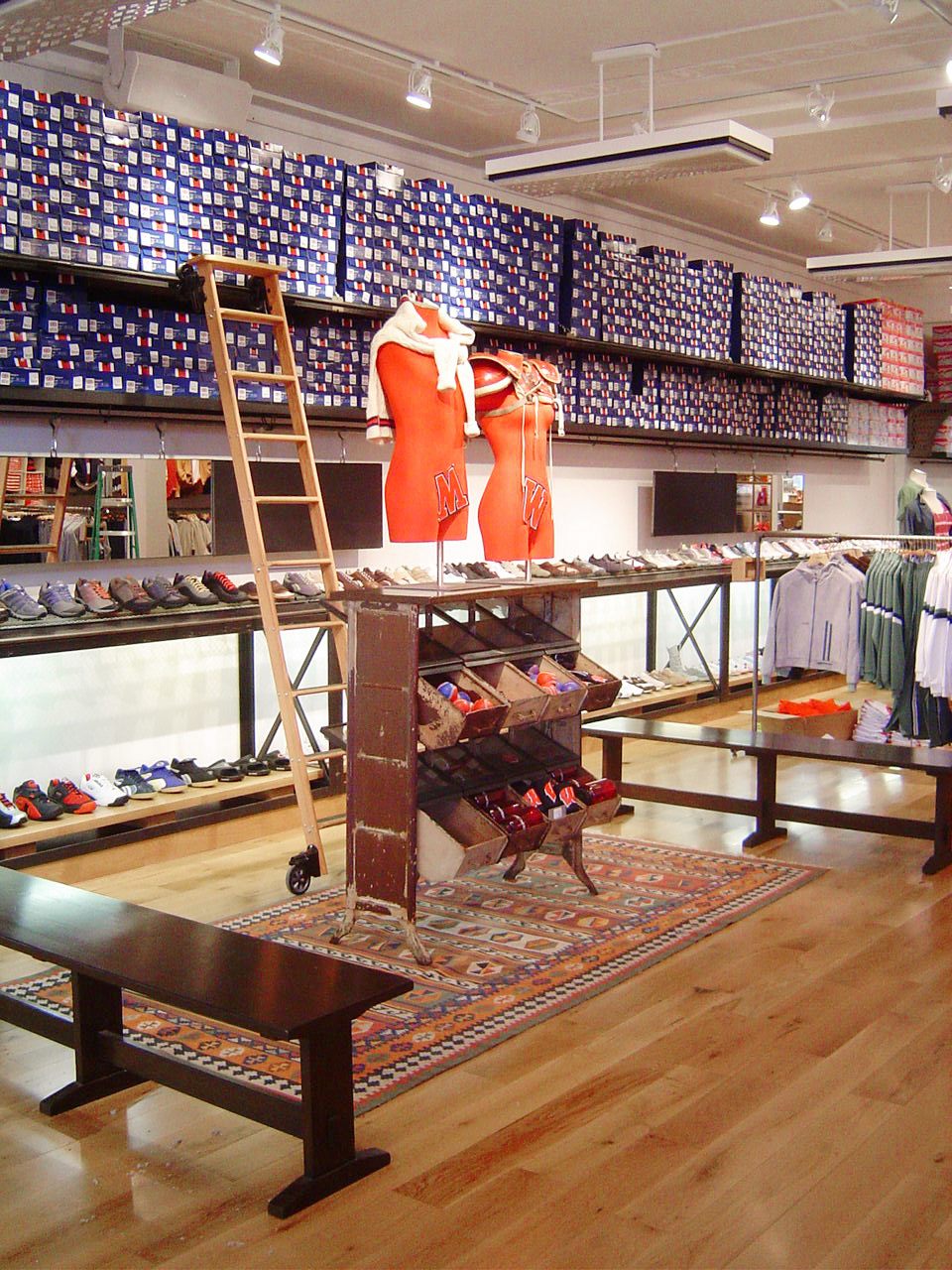
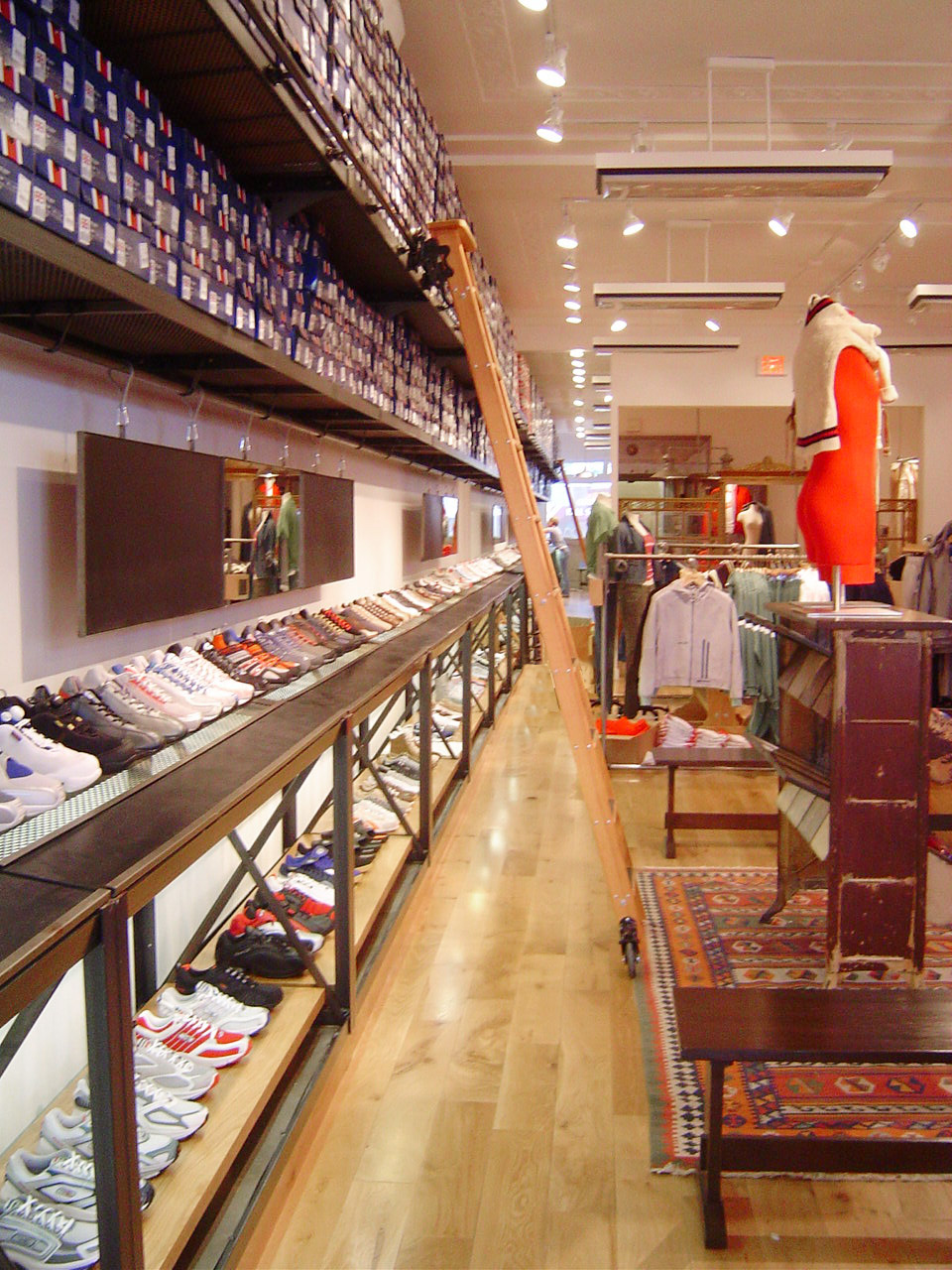
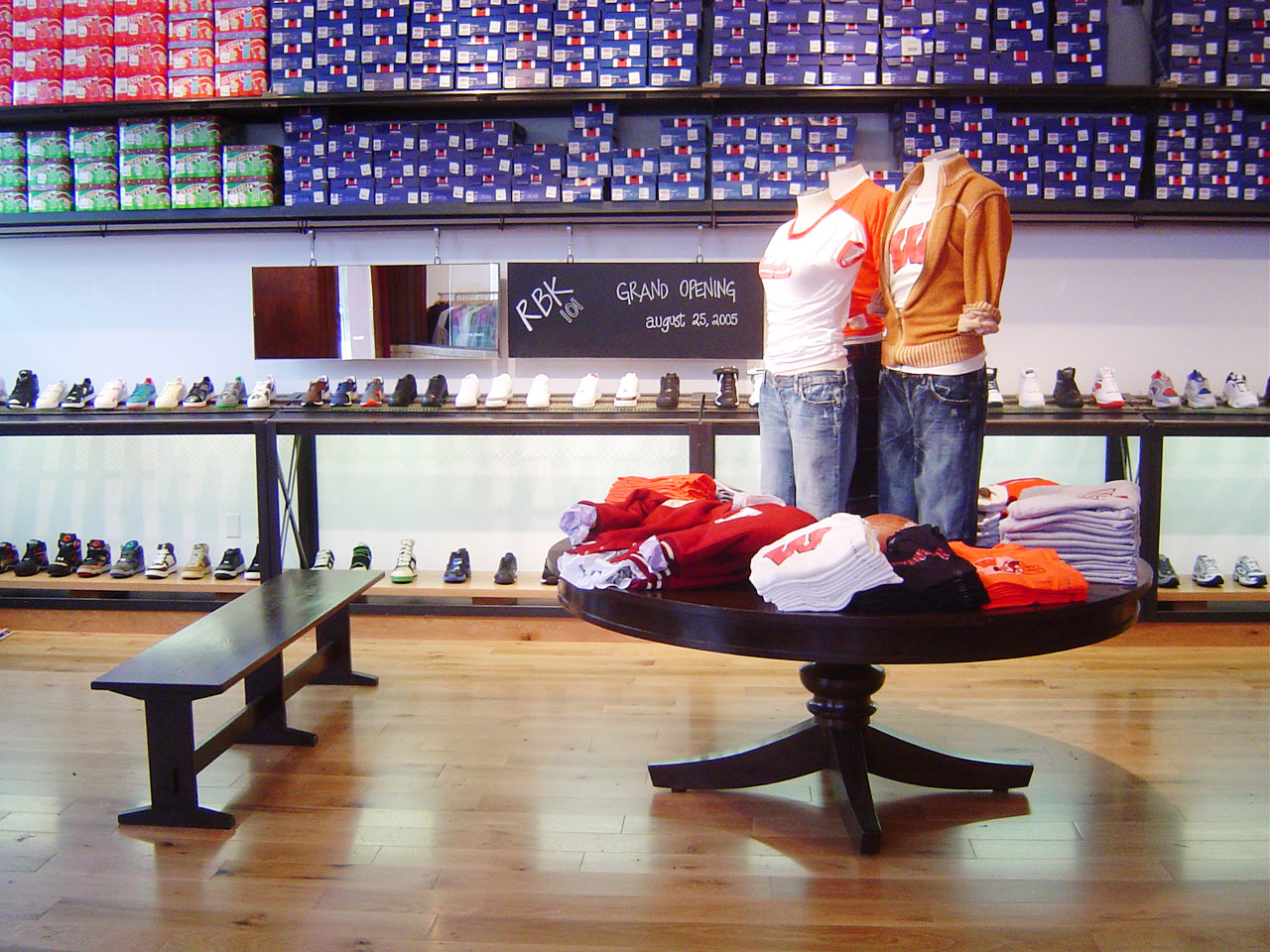
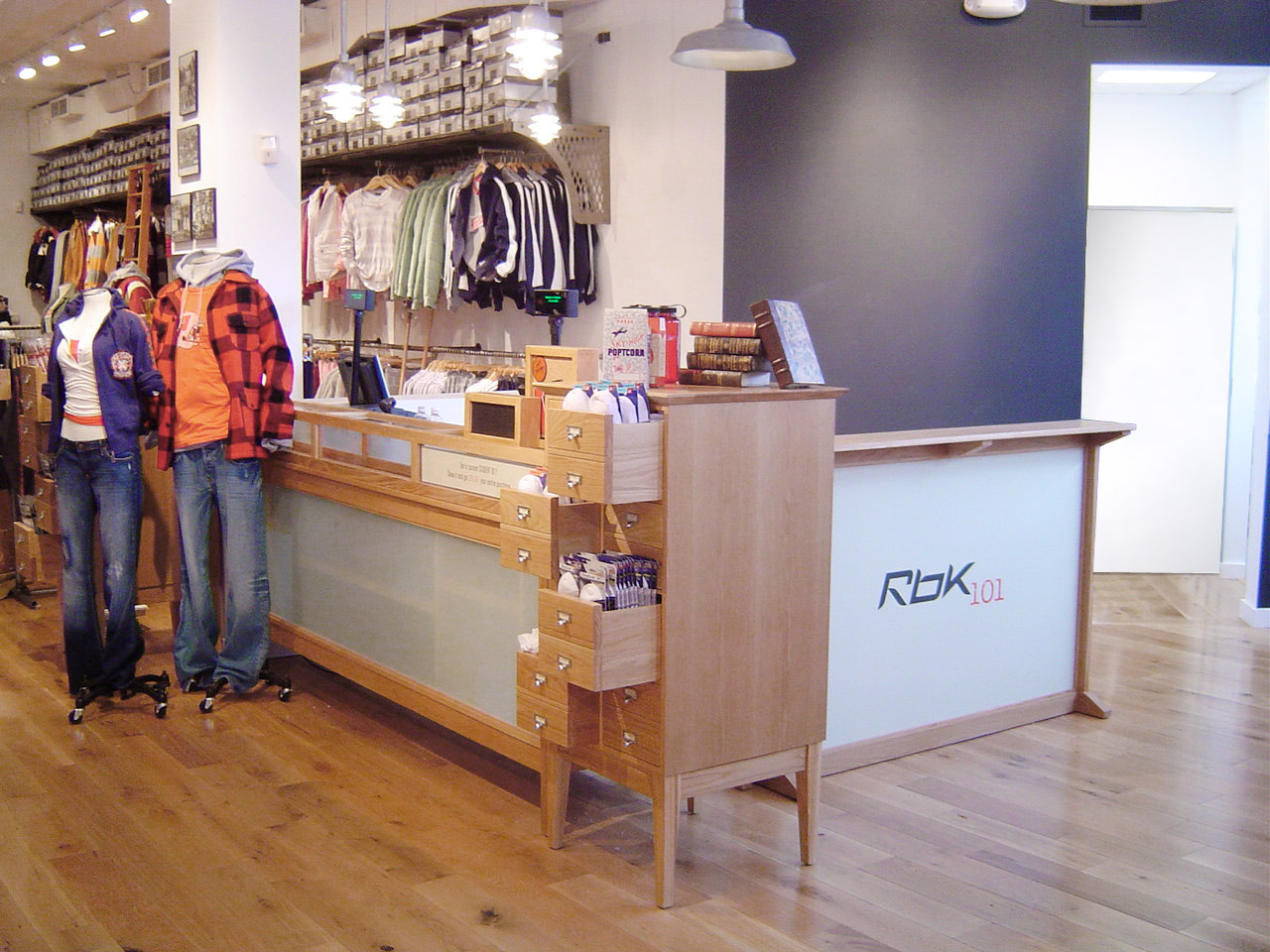
Reebok Campus RBK 101 Concept: Prototype location Madison Wisconsin, University of Madison. In-house team, 2005. In trying to capture the purchasing dollar of the U of M students, the Brand wanted to set forth a location that presented an industrial, rustic, analog feel. Although the breadth of product was presented, select product was curated directly to the college consumer for both style and price point match. The space was designed for easy visual merchandising techniques to keep the store looking fresh. Furniture was hand-crafted and curated to further a rustic look.
 pquagge.com